How to Grill Ribeye Steak (Juicy, Charred & Perfectly Medium-Rare): Times, Temperatures & the Bone-In vs Boneless Choice
Grill a 1 to 1.25-inch ribeye over direct high heat at 450 to 500°F for 4 to 5 minutes per side, pull it at 130°F for medium-rare, and rest it for 5 minutes before slicing. That is the whole method. Everything below is about choosing the right steak, managing the flare-ups ribeye fat causes, and hitting your doneness exactly — because ribeye is the most forgiving steak on the grill, and also the easiest to turn into a flare-up casualty.
Key Takeaways
- Buy a ribeye at least 1 inch thick with heavy marbling; thickness matters more than weight.
- Grill over direct heat at 450–500°F, 4–5 minutes per side for a 1.25-inch steak.
- Pull at 130°F for medium-rare (USDA safe minimum for beef steak is 145°F with a 3-minute rest — many grillers prefer 130–135°F; know the difference before you serve it).
- Rest 5 minutes; the temperature climbs another 3–5°F off the grill.
- Bone-in and boneless cook almost identically — buy bone-in for presentation and a little extra insurance against overcooking.
Why Ribeye Is the Best Steak to Grill
Ribeye is the cut grillers reach for when they want a steak that practically cooks itself. It comes from the rib primal, the same section that gives us prime rib, and it carries more intramuscular fat — marbling — than any other common steak. That fat does three things on a grill. First, it bastes the meat from the inside as it renders, so the steak stays juicy even if you overshoot your target temperature by a few degrees. Second, it carries flavour in a way lean cuts like filet mignon simply cannot match. Third, it crisps and chars at the edges, giving you the crust that makes a grilled steak taste grilled.
Compare that to the leaner cuts. Filet is tender but mild and dries out fast. Sirloin is lean and can turn chewy. Ribeye sits in the sweet spot: rich, forgiving, and hard to ruin. That is why it is the steak I recommend to anyone grilling their first expensive cut.
Bone-In vs Boneless Ribeye: Which Should You Buy?
Walk up to the meat counter and you will usually see both. A boneless ribeye — sometimes sold as a Delmonico or Spencer steak — is a neat, uniform steak that cooks evenly and slices cleanly. A bone-in ribeye, often called a cowboy steak when it is thick, has the rib bone left attached, sometimes with a long frenched bone for a tomahawk.
Here is the honest difference. The bone does not add flavour to the meat the way old cookbooks claim — the flavour lives in the fat, not the bone. What the bone does is slow the cooking slightly near the bone, which gives you a margin of error, and it looks spectacular on the plate. Boneless cooks a touch more evenly and is easier to slice and serve. For a weeknight dinner, buy boneless. For a dinner party or a holiday cookout, buy bone-in. Either way, the method below is the same; add about 1 minute per side for a thick bone-in steak.
What to Look for When Buying a Ribeye
A great grilled ribeye starts at the counter, not at the grill. Three things matter.
First, thickness. Buy a steak at least 1 inch thick, and 1.25 to 1.5 inches is ideal. A thin steak overcooks before it can develop a crust. If the only steaks available are under an inch, cook them hot and fast and pull them early.
Second, marbling. Look for fine white flecks of fat running through the red meat, not just a fat cap on the edge. USDA Choice has good marbling and is the best value for grilling. USDA Prime has more and costs more; it is worth it for a special occasion. Select grade is leaner and will eat drier — skip it for ribeye.
Third, the fat cap and the spinalis. The best part of a ribeye is the spinalis dorsi, the crescent-shaped cap of meat that wraps around the top of the steak. It is the most tender, most flavourful bite on the animal. When you see a steak with a thick, well-marbled cap, buy it.
How to Grill Ribeye Steak, Step by Step
1. Bring the steak toward room temperature
Take the ribeye out of the fridge 30 to 45 minutes before grilling. Season it generously on both sides with coarse salt and black pepper — about 3/4 teaspoon of salt per side for a 14-ounce steak. Leave it uncovered on a rack if you can; the dry surface browns better.
2. Build a two-zone fire
Set up your grill with a hot direct zone at 450 to 500°F and a cooler indirect zone with no coals or burners on. Ribeye fat drips and flares. The indirect zone is your escape hatch: when flames jump, slide the steak over, let the fire die down, and slide it back.
3. Sear over direct heat
Place the steak on the hottest part of the grate. Close the lid. Cook 4 to 5 minutes per side for a 1.25-inch steak. Do not press it down with a spatula — pressing squeezes out juice and does nothing for the crust. Flip once, when the first side has a deep brown crust.
4. Move it if it flares
If a flare-up engulfs the steak, move it to the indirect side for 30 to 60 seconds rather than letting it sit in the flames. A charred crust is good; a soot-black, bitter crust is not. The difference is about 30 seconds.
5. Pull by temperature, not by time
Start checking with an instant-read thermometer at the 8-minute mark. Pull the steak 5°F below your target doneness — it keeps cooking as it rests. For medium-rare, pull at 130°F. For medium, pull at 140°F.
6. Rest, then slice
Rest the steak on a warm plate, loosely tented with foil, for 5 minutes. The juices redistribute and the temperature climbs 3 to 5°F. Slice against the grain, and cut the cap separately so everyone gets some.
Ribeye Grilling Times and Temperatures Chart
Use time as a guide and temperature as the rule. These times are for a 1.25-inch ribeye over direct heat at 450 to 500°F, flipped once, from a steak that sat out for 30 minutes.
| Thickness | Doneness | Pull Temperature | Minutes Per Side | Total Time |
|---|---|---|---|---|
| 1 inch | Rare | 120°F | 3–4 | 6–8 |
| 1 inch | Medium-rare | 130°F | 4 | 8 |
| 1 inch | Medium | 140°F | 4–5 | 8–10 |
| 1.25 inch | Rare | 120°F | 4 | 8 |
| 1.25 inch | Medium-rare | 130°F | 4–5 | 8–10 |
| 1.25 inch | Medium | 140°F | 5–6 | 10–12 |
| 1.5 inch | Rare | 120°F | 5 | 10 |
| 1.5 inch | Medium-rare | 130°F | 5–6 | 10–12 |
| 1.5 inch | Medium | 140°F | 6–7 | 12–14 |
A worked example from my grill
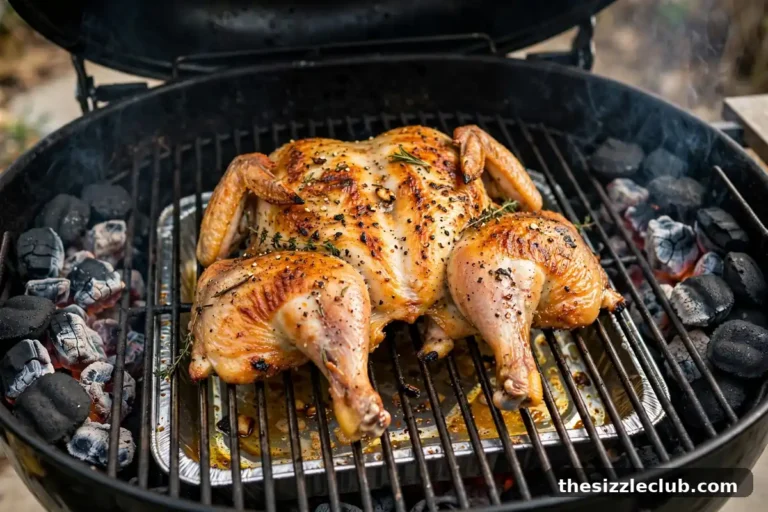
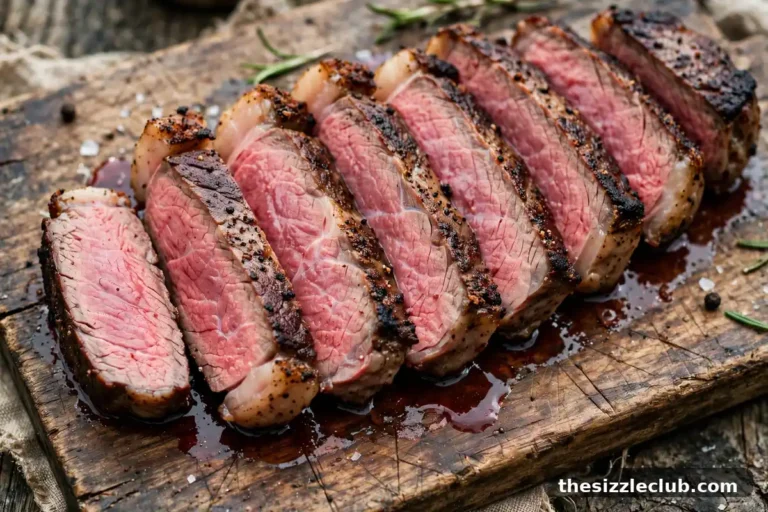
Last weekend I grilled a 14-ounce, 1.25-inch bone-in ribeye on a charcoal kettle. The grate thermometer read 490°F. I seared it 4 minutes 30 seconds on the first side, flipped it, and gave it 4 minutes on the second. The instant-read thermometer showed 128°F in the thickest part. I pulled it, rested it 5 minutes, and it finished at 133°F — a perfect medium-rare edge to edge, with a crust that crackled. Total time on the grill: 8 minutes 30 seconds. That is the cook to aim for.
How to Tell When Your Ribeye Is Done
The only reliable method is an instant-read thermometer inserted into the thickest part, away from the bone and away from fat pockets. The touch test — comparing the firmness of the steak to the fleshy part of your palm — works after a hundred steaks, but a $15 thermometer works on your first one. Remember carryover cooking: a ribeye pulled at 130°F will finish around 133 to 135°F after a 5-minute rest. If you want it to land at 130°F, pull it at 125°F. And remember the USDA safe minimum for beef steak is 145°F with a 3-minute rest; cooking below that is a personal choice most steak lovers make, but serve it to guests only if you know they are comfortable with it.
The 5 Mistakes That Ruin a Ribeye
First, grilling a cold steak straight from the fridge — the outside overcooks while the centre stays cold. Second, using a thin steak and expecting a crust — thickness is what buys you sear time. Third, flipping constantly — one flip gives you the best crust and the clearest read on doneness. Fourth, cutting into it the second it leaves the grill — the juices run out onto the board instead of staying in the meat. Fifth, seasoning only with salt at the table — salt needs to be on the meat before it hits the heat to build the crust.
What to Serve With Grilled Ribeye
Ribeye is rich, so the best sides are simple and a little sharp. Grilled asparagus or a green salad with a lemony dressing cuts through the fat. A baked potato with butter and chives is the classic steakhouse pairing. For a sauce, keep it simple: a pat of compound butter melting over the rested steak, or a spoonful of chimichurri if you want brightness. Skip heavy cream sauces — the steak already brings the richness.
Frequently Asked Questions
How long do you grill a ribeye steak?
A 1.25-inch ribeye takes 8 to 10 minutes total over direct heat at 450 to 500°F, about 4 to 5 minutes per side, for medium-rare. Always confirm with a thermometer — pull at 130°F for medium-rare.
Should you grill ribeye with the lid open or closed?
Closed. A closed lid keeps the heat high and even, cooks the steak through, and lets you control flare-ups by moving the steak to the indirect zone. Open-lid grilling loses heat and dries the surface.
Is bone-in ribeye better than boneless?
For flavour, barely — the difference is small. Bone-in gives you a little extra insurance against overcooking and looks better on the plate. Boneless cooks more evenly and slices more easily. Buy whichever looks better at the counter.
What temperature should ribeye be grilled at?
Aim for 450 to 500°F on the grate for a direct-heat sear. Below 400°F you will not get a proper crust before the inside overcooks. Above 550°F the fat flares constantly and the crust burns.
Do you need to marinate a ribeye?
No. A well-marbled ribeye needs nothing more than salt, pepper, and heat. Marinades add surface moisture that fights the sear, and they cannot penetrate the fat the way seasoning can. Save marinades for leaner cuts.
Bottom Line
Ribeye is the most forgiving steak you can grill: buy it thick, season it well, sear it hot for 4 to 5 minutes a side, pull it at 130°F, and rest it for 5 minutes. Do that, and you will get a charred, juicy, medium-rare steak every single time — no marinade, no gadgets, no guesswork.