Lump Charcoal vs Briquettes: Burn Comparison
Lump charcoal and briquettes both come from wood, both cook your food, and both have loyal fans who insist the other side is wrong. The honest answer: neither is universally better — they are different fuels with different strengths, and the right choice depends on what you are cooking. Lump burns hotter and faster with less ash; briquettes burn longer and more evenly with more ash. Once you understand how each is made and how that shapes its behavior on the grill, picking the right one for each cook becomes second nature.
How Each Is Made and Why It Burns Differently
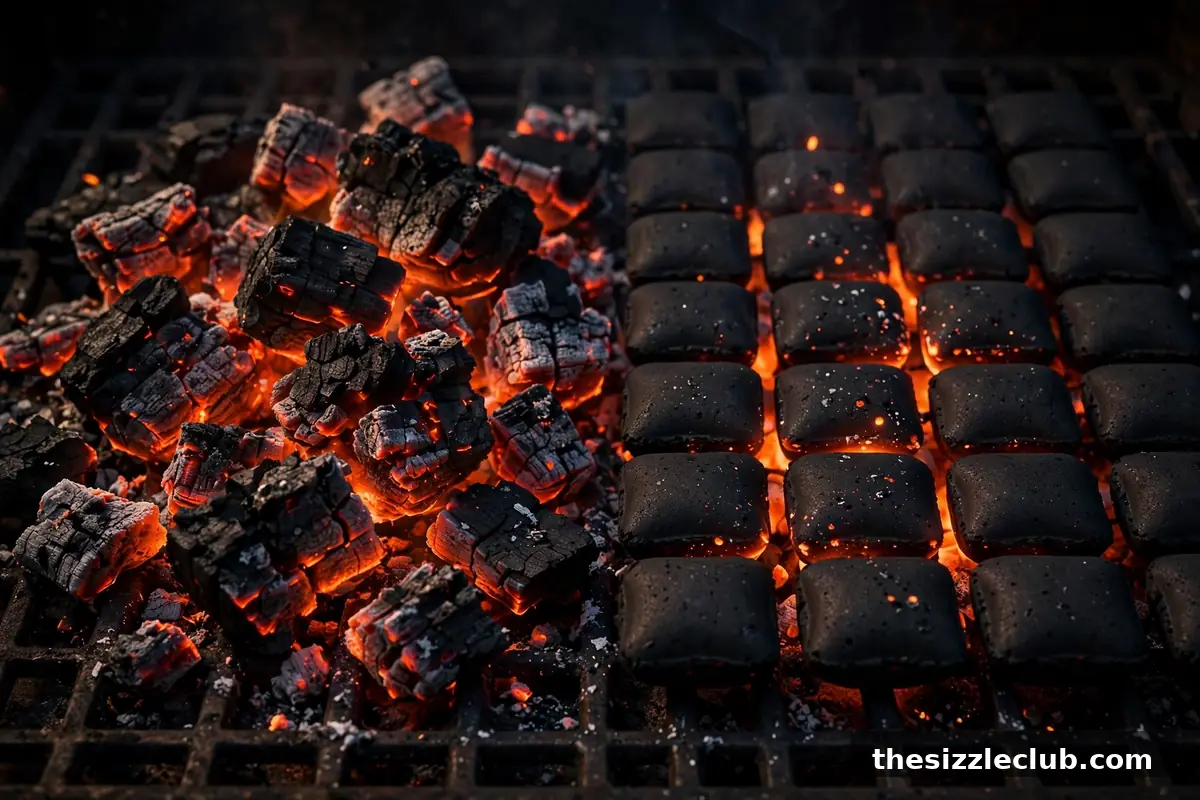
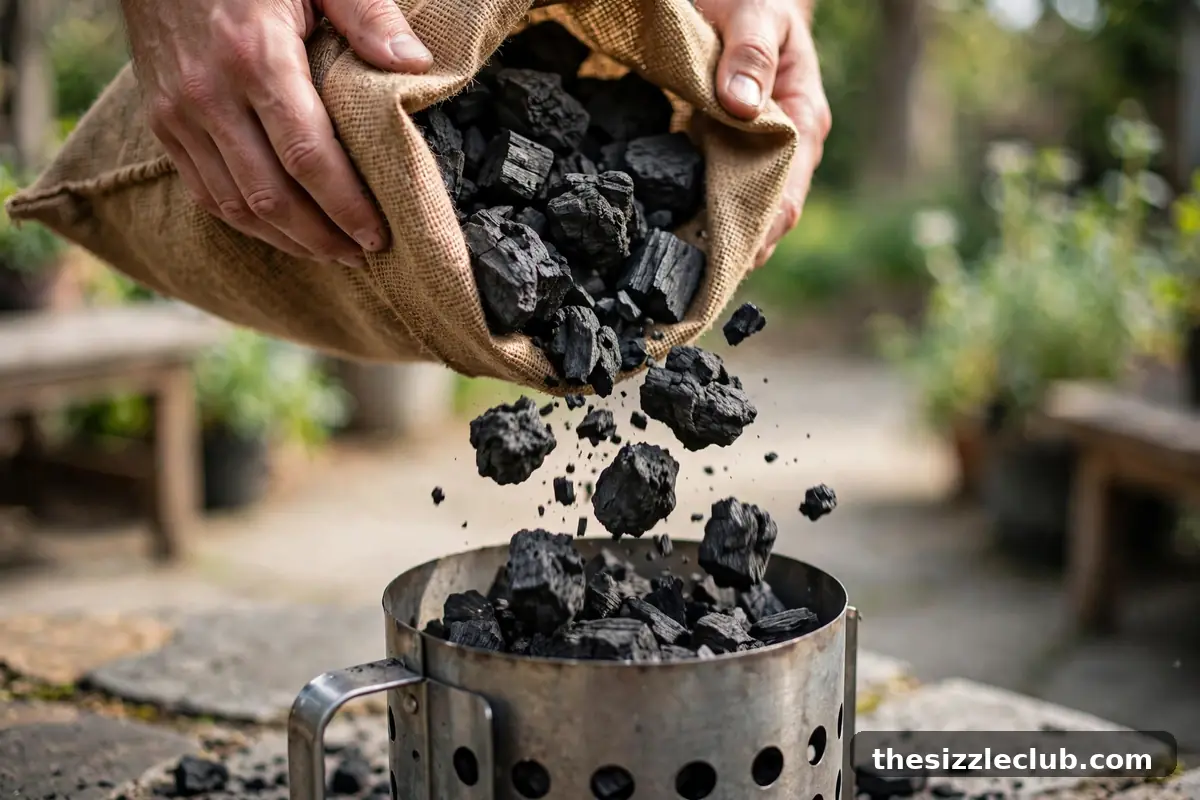
The difference starts at the factory. Lump charcoal is simply hardwood that has been burned in a low-oxygen environment until most of the moisture and volatile compounds are driven off, leaving nearly pure carbon in irregular chunks. What you see is what you get: pieces of actual wood, in random shapes and sizes, with nothing added.
Briquettes are manufactured: charred wood (char) is ground up, mixed with a starch binder and sometimes other ingredients, then pressed into uniform pillow shapes. That uniformity is deliberate — every briquette is the same size, density, and composition, so every briquette behaves the same way in the fire.
This manufacturing difference explains everything that follows. Lump’s irregular pieces ignite fast, burn hot, and vary from chunk to chunk. Briquettes’ engineered uniformity lights a bit slower but burns with remarkable consistency. Neither is “more natural” in a way that matters much on the plate — what matters is how each behaves in your cooker.
Heat Output and Burn Time Compared
Lump charcoal burns hotter. Because it is dense carbon with lots of surface area and airflow between the irregular pieces, a full chimney of lump produces searing heat quickly — ideal for steaks, pizzas, and any cook where maximum temperature matters. The trade-off is burn time: those same qualities mean lump burns through faster, and temperatures can spike and dip as different-sized pieces catch and burn out.
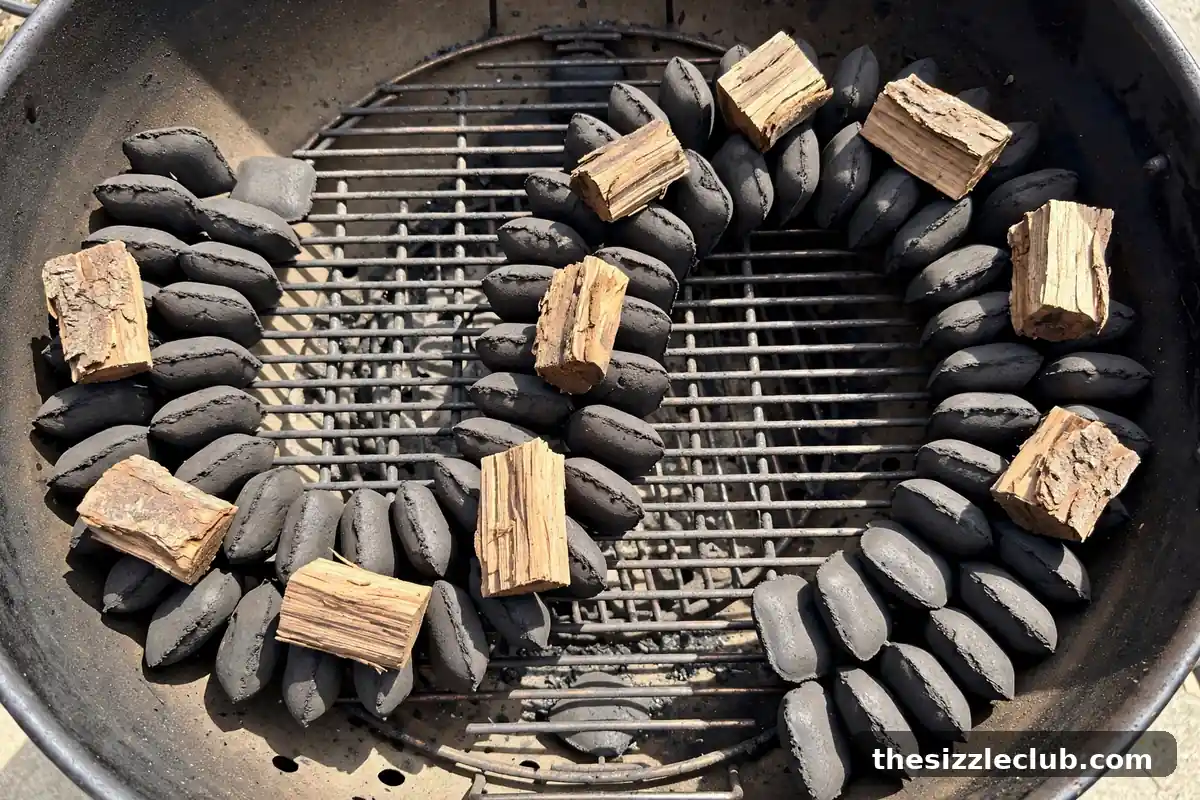
Briquettes burn longer and steadier. Their uniform density means they ignite evenly and burn at a predictable rate, holding a stable temperature for longer on the same volume of fuel. That consistency is why briquettes dominate low-and-slow cooking methods like the snake or fuse arrangement on a kettle — you can predict, with reasonable confidence, how long a measured row of briquettes will last. For long smokes where stability matters more than peak heat, briquettes are the practical choice.
The practical upshot: reach for lump when you want maximum heat for searing and shorter hot cooks; reach for briquettes when you want a long, predictable, even burn.
Ash Production: The Cleanup Difference
This is the least glamorous difference and one of the most noticeable in daily use. Lump produces noticeably less ash than briquettes — often dramatically less. Less ash means better airflow during the cook (ash smothers coals), easier vent management on long cooks, and quicker cleanup afterward.
Briquettes produce significantly more ash because of the binders and fillers in their composition. On short grilling sessions this barely matters. On long smokes, ash buildup can choke airflow and force you to manage or clear ash mid-cook, which is one more variable to handle. If you smoke on a kettle with briquettes, plan for ash management as part of the cook; with lump, airflow stays clearer on its own.
Flavor and Additives: What Is Actually in Briquettes
Let us address the most heated claim in this debate: that briquettes contain scary chemicals that ruin food. The reality is more mundane. Standard briquettes contain char, a starch binder (usually cornstarch), and small amounts of other ingredients that help them hold their shape and light reliably. Once fully lit — and this is the key point — the volatile compounds burn off, and what is heating your food is carbon, the same as lump.
The genuine flavor consideration is not additives but smoke profile. Lump, being pure hardwood char, can contribute a subtle wood-fired character, and some cooks notice a difference on delicate foods. Briquettes are more neutral once ashed over. But both are mild compared to actual smoking wood — if you want real smoke flavor, that comes from wood chips, chunks, or pellets, not from your charcoal choice. The practical rule: never cook over briquettes that are still black and smoking from lighting; wait until they are mostly ashed over and the acrid start-up smoke has passed, and any off-flavors disappear with it.
When to Choose Which: The Practical Rule
Here is the decision framework most experienced charcoal cooks land on:
- Choose lump for high-heat searing, steaks, and shorter hot cooks where maximum temperature and responsiveness matter. Also the pick when you want minimal ash and easy airflow.
- Choose briquettes for low-and-slow smoking, the snake method, and any cook where a long, steady, predictable burn matters more than peak heat.
- Either works fine for everyday grilling — burgers, chicken pieces, sausages, vegetables. Use whichever you have; the difference on a 30-minute cook is small.
Many serious cooks keep both on hand and choose per cook, the same way a kitchen keeps both a chef’s knife and a paring knife. There is no loyalty oath required. And whichever fuel you choose, the bigger flavor and versatility questions are covered in our honest comparison of gas, charcoal, and pellet grills.
Mistakes to Avoid
- Cooking over freshly lit briquettes. Wait until they are mostly covered in gray ash. The start-up smoke is acrid and it will flavor your food.
- Expecting lump to behave uniformly. Pieces vary wildly in size. For consistent heat, sort out the very large and very small pieces, or mix sizes deliberately.
- Using damp charcoal. Both fuels absorb moisture in humid storage. Store bags sealed, off the ground, and indoors — damp charcoal lights poorly and burns inconsistently.
- Judging by the bag, not the burn. Charcoal quality varies by manufacturer more than by type. A good briquette beats a bad lump and vice versa.
- Chasing maximum heat for every cook. Most foods cook better at moderate, controlled temperatures. Save the inferno for searing.
Lighting Methods: Getting Either Fuel Going Reliably
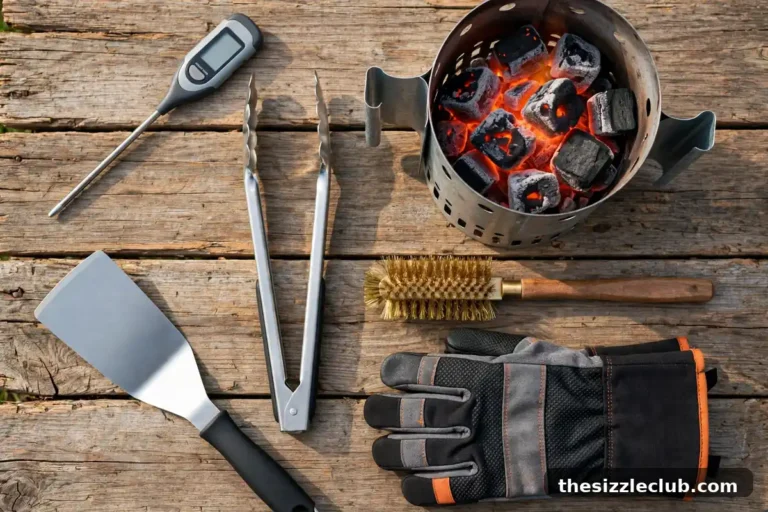
Whichever fuel you choose, how you light it shapes the first twenty minutes of every cook. The chimney starter remains the gold standard for both lump and briquettes: fill it, light newspaper or a natural starter cube underneath, and wait until the top coals are ashed over before pouring. It needs no accelerants, lights evenly, and gives you a measurable quantity of fuel every time.
Electric charcoal starters — a looped heating element you bury in the coals — work well too, especially where open flames for lighting are discouraged. They take a little longer but are nearly foolproof. What to avoid: lighter fluid and instant-light charcoal, both of which introduce petroleum flavors and unpredictable flare-ups. If you must use lighter fluid in an emergency, use sparingly and wait until every trace of chemical smell is gone and the coals are fully ashed before any food goes near the grill. With lump, one more tip: because pieces vary in size, give the chimney an extra few minutes compared to briquettes — the largest chunks need the time to catch fully, and partially lit lump is the main cause of temperature swings early in a cook.
One final note on quantity: a full chimney is the standard measure for high-heat grilling, while a half chimney suits moderate indirect cooks. Learning to eyeball full, three-quarter, and half chimneys gives you repeatable fire sizes, which matters far more than the fuel brand. Consistency in quantity plus the right fuel for the cook is what turns unpredictable fires into reliable ones.
Key takeaways
- Lump charcoal: hotter, faster, less ash, more variable — best for searing and short hot cooks.
- Briquettes: longer, steadier, more uniform, more ash — best for low-and-slow smoking and predictable burns.
- Once fully lit and ashed over, both are clean-burning carbon; real smoke flavor comes from wood, not charcoal type.
- Keep both on hand and choose per cook — or use either for everyday grilling without worry.
- Store all charcoal dry, sealed, and off the ground; damp fuel is the most common cause of frustrating fires.
Frequently asked questions
Do briquettes really contain chemicals?
Standard briquettes contain char, a starch binder, and minor ingredients for shape and lighting — not anything exotic. Once fully lit and ashed over, the volatiles have burned off. Avoid “match light” or lighter-fluid-infused varieties, which do contain petroleum products, and never cook over any charcoal that is still giving off thick start-up smoke.
Which is better for smoking on a kettle grill?
Briquettes, for most people. Their uniformity makes the snake or fuse method predictable — you can lay out a measured row and know roughly how long it will burn. Lump works too but burns less predictably, so it demands more attention during a long smoke.
Can I mix lump and briquettes together?
Yes, and many cooks do. A common approach is a base of briquettes for steady heat with lump mixed in for extra temperature when searing. There is no rule against combining them — match the mix to the cook.
Why does my lump charcoal bag contain so much dust and tiny pieces?
Lump is fragile and breaks during shipping and handling, so bags often contain a fair amount of small pieces and dust at the bottom. Use the large and medium chunks for the fire and save the small bits for short cooks — or accept it as the nature of the product and buy from suppliers whose bags arrive in better shape.
Your next action: buy one bag of each and run the same cook twice — burgers one night on lump, the next on briquettes. Notice the heat, the ash, and the handling. After that, you will choose per cook without thinking, which is exactly the point.