Wood Chips vs Chunks vs Pellets: Flavor and Burn Compared
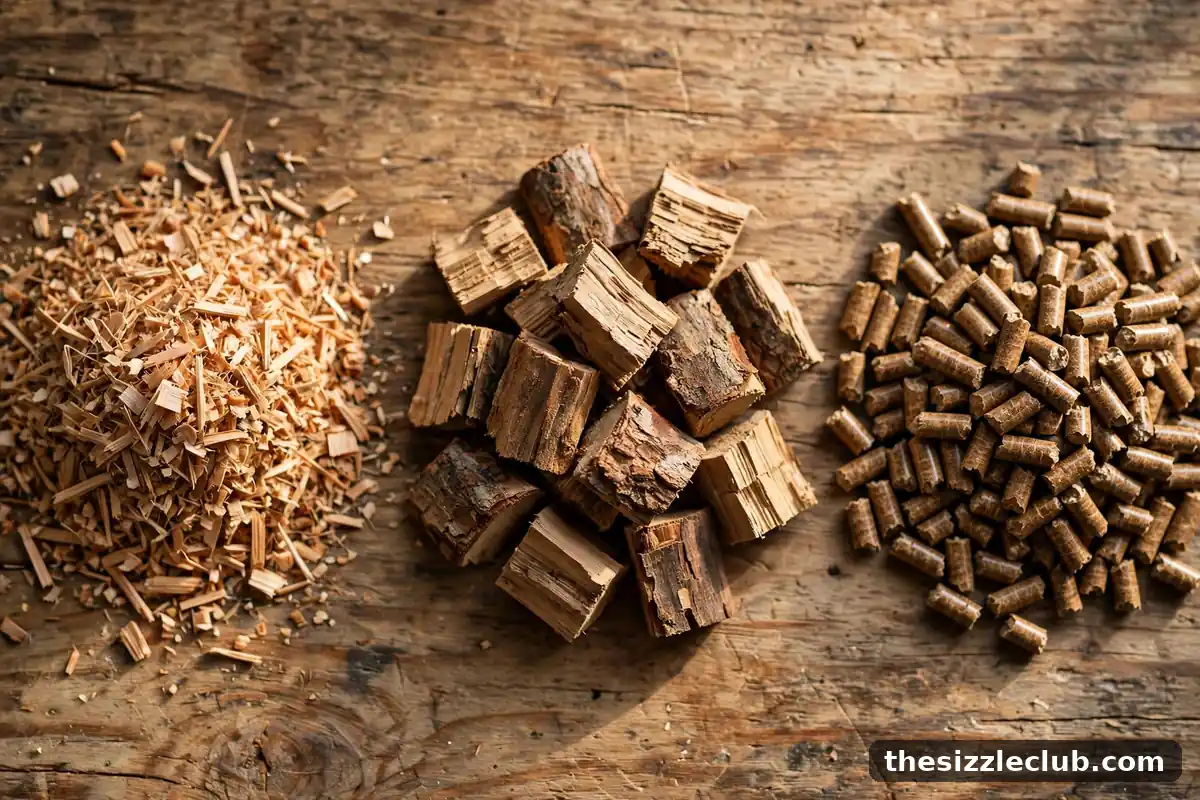
Wood form determines how long your smoke lasts and how steadily it releases; wood species determines the flavor character of that smoke. Chips burn out in minutes, chunks smolder for the better part of an hour, and pellets are a fuel system of their own designed for pellet cookers. Match the form to your cooker and cook length first, then pick a species that suits the meat. Get both choices right and the smoke becomes seasoning; get them wrong and it becomes bitterness.
Size Matters: Burn Time and Smoke Output by Form
The only real difference between chips and chunks is size, but size changes everything about how they behave on the fire.
Wood Chips
Chips are small shreds that ignite fast and burn out in 10 to 20 minutes. They suit short cooks on gas grills (in a smoker box or foil pouch) where you want a quick kiss of smoke on chicken breasts, fish, or vegetables. Their weakness is exactly their speed: on a long smoke they demand constant replenishing, which means opening the lid and destabilizing temperature. Chips are a short-cook tool.
Wood Chunks
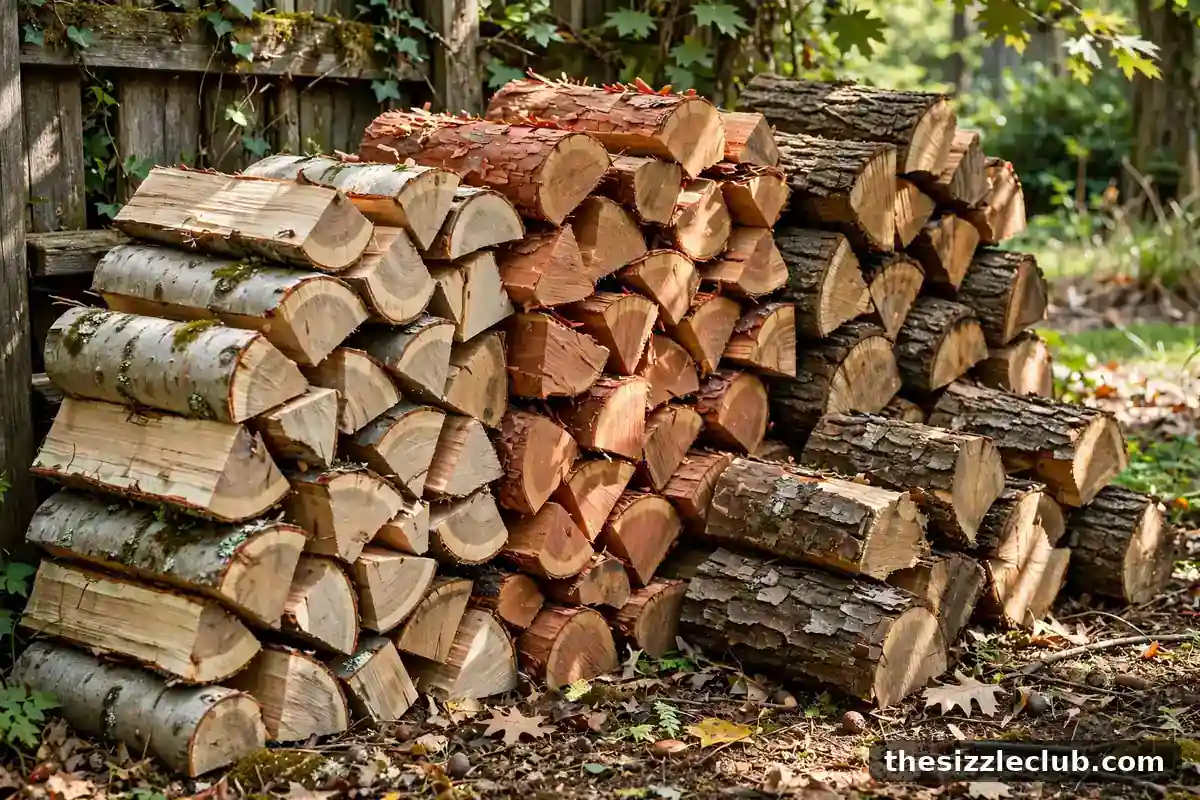
Chunks are fist-sized pieces that smolder for 30 to 45 minutes each, releasing steady smoke without babysitting. They are the default choice for charcoal smokers, kettles, and offsets on any cook longer than an hour. Place them on the fire so they smolder rather than flame; a chunk that catches fire gives harsh smoke until it settles back to a smolder.
Wood Pellets
Pellets are compressed sawdust designed as the primary fuel for pellet grills, where an auger feeds them into a fire pot automatically. They burn cleanly and consistently, which makes pellet cookers the easiest way to smoke, but they produce a milder smoke flavor than chunks on a charcoal fire. Pellets also come in smoking tubes and boxes that let kettle and gas grill owners add pellet smoke to a charcoal or gas cook.
The practical rule: chunks for charcoal smoking, chips for quick gas-grill smoke, pellets for pellet cookers. If you are setting up a kettle for a long smoke, our guide to smoking on a kettle grill shows exactly where to place chunks along the snake.
Soaking Wood: The Myth and What to Do Instead
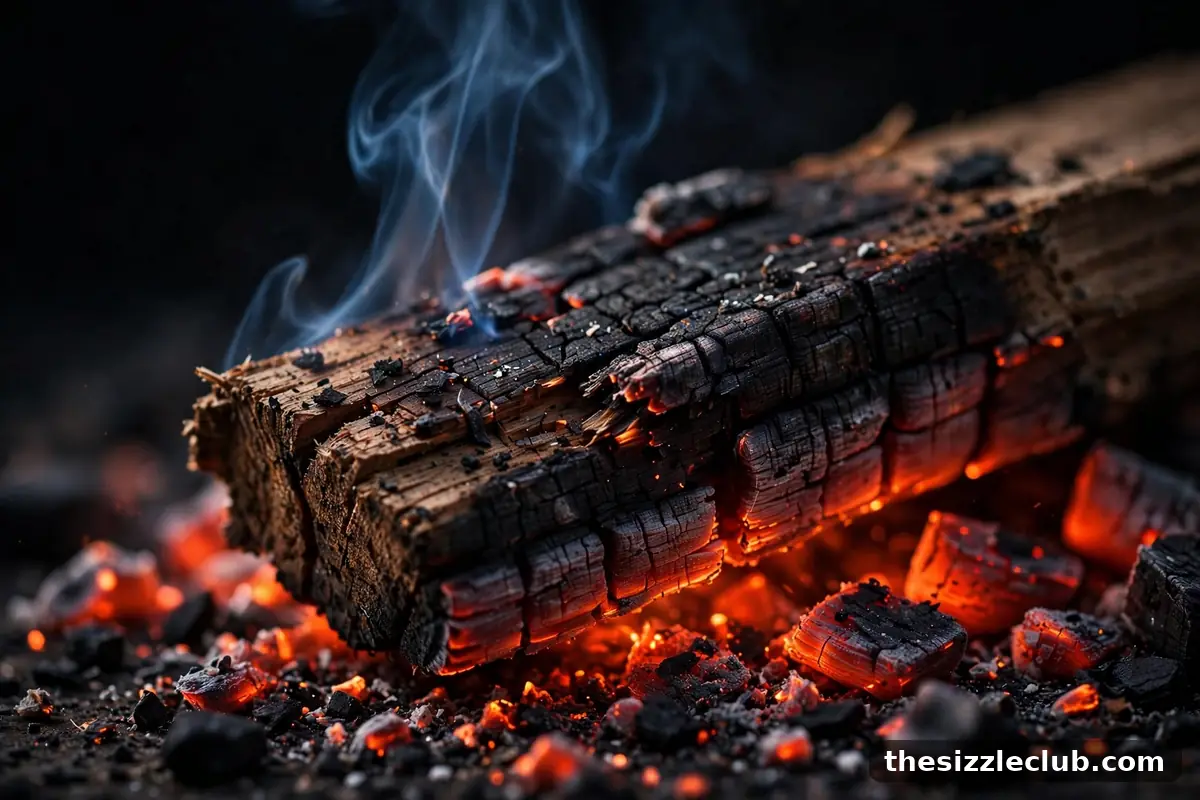
The old advice says to soak wood before smoking so it smolders longer. It does not work that way. Water barely penetrates past the surface of a chunk, so soaked wood steams for a while, then burns exactly like dry wood, except the steaming phase produces thick white smoke that deposits bitter flavors on the meat. The soaking step adds nothing and subtracts flavor quality.
What actually extends smoke time is bigger pieces and controlled oxygen, not water. Use full-sized dry chunks, nestle them into the coals so they smolder instead of flaming, and control the burn with your vents. If chips are all you have, wrap them in a foil pouch with a few poked holes; the pouch limits oxygen and stretches their burn from minutes to closer to half an hour.
Wood Species Flavor Guide: The 8 Common Ones
Species differences are real but subtler than marketing suggests. Think of them as seasoning strengths, from mild to assertive, rather than wildly different flavors.
- Apple: mild, sweet, fruity. The most forgiving wood for beginners; hard to oversmoke with.
- Cherry: mild to medium, sweet, gives poultry and pork a beautiful mahogany color.
- Alder: delicate and light. The traditional fish wood; too mild for long beef cooks.
- Oak: medium, clean, versatile. The workhorse of Texas-style barbecue; suits long brisket cooks.
- Hickory: medium-strong, bacon-like, the classic barbecue flavor. Wonderful on pork and ribs; can turn bitter in heavy doses on long cooks.
- Maple: mild, sweet. Excellent on poultry and pork; subtle enough for cheese and vegetables.
- Pecan: medium, sweet and nutty, milder than hickory. A great all-rounder, especially for poultry.
- Mesquite: strong, earthy, intense. Suits short, hot cooks on beef; overwhelming and bitter on long smokes for most palates.
Avoid softwoods like pine entirely; their resin makes food taste like chemicals. Stick to hardwoods sold specifically for smoking.
Matching Wood to Meat: Pairings That Work
Pairing logic is simple: match smoke intensity to the meat’s weight and cook length. Delicate meats and short cooks take mild woods; robust meats and long cooks can handle stronger ones.
- Poultry and fish: apple, cherry, alder, maple. Mild woods that will not overpower lean meat.
- Pork (shoulder, ribs, chops): hickory, apple, cherry, pecan. Pork takes smoke beautifully; hickory is the classic.
- Beef (brisket, short ribs): oak, hickory, pecan. Oak’s clean medium smoke suits the longest cooks.
- Lamb: oak, cherry, or a light touch of hickory.
- Vegetables and cheese: apple, alder, maple; short exposure only.
Blending is fine and common: a base of oak with a chunk or two of cherry for color, or hickory tempered with apple. Keep a simple log of what you used on each cook; after a few months you will have a personal pairing chart better than any generic one.
One more skill worth developing is reading your smoke. Thin, pale blue smoke that is barely visible means the wood is smoldering cleanly with enough oxygen, and that is the smoke you want on your food. Thick white smoke means the wood is starved of air, too wet, or flaming, and it lays down bitter, acrid flavors. If you see billowing white clouds, open the vents to give the fire more air and wait for the smoke to clean up before the meat goes on or before adding more wood. Experienced smokers watch smoke color as closely as the temperature gauge, because clean smoke is the difference between subtle seasoning and an ashtray finish. Dry chunks placed to smolder rather than flame, plus patient vent control, are the whole formula.
Storing Wood So It Stays Usable
Wood is hygroscopic; it absorbs moisture from the air, and damp wood smolders dirty. Store chunks and chips in a dry place off the ground: a sealed plastic bin in the garage, a covered shed, or even heavy-duty bags kept indoors. Pellets are the fussiest of all; they swell and crumble when damp, which jams pellet grill augers, so keep them sealed with a desiccant or in an airtight container. Properly stored smoking wood lasts indefinitely; wood left in a damp pile through winter is fit only for the fire pit.
Label your bins by species so you are never guessing at midnight before a cook. A strip of masking tape and a marker is all it takes, and future you will be grateful when the right wood is always within reach.
Decision Criteria: Choosing Form and Species
Decide in two steps. Step one, form by cooker and cook length: pellet grill means pellets; charcoal smoke over an hour means chunks; gas grill quick smoke means chips in a box or pouch. Step two, species by meat and confidence: beginners should start with apple or cherry on everything, since both are nearly impossible to oversmoke with, then branch into hickory and oak as their palate and fire control develop. Save mesquite for short hot cooks until you know exactly how much smoke your setup delivers.
Mistakes to Avoid
- Soaking wood. It creates steamy white smoke and bitter flavor; use dry wood.
- Using chips for a 10-hour smoke. You will open the lid a dozen times; use chunks.
- Oversmoking with hickory or mesquite. Strong woods in heavy doses turn bitter, especially on long cooks.
- Adding wood for the entire cook. Meat absorbs most smoke early; late wood adds little but risk.
- Burning softwoods or scrap lumber. Resin and chemicals ruin food; use hardwood sold for smoking.
- Storing pellets damp. Swollen pellets jam augers and smolder poorly.
Key Takeaways
- Chunks suit long charcoal smokes, chips suit short gas-grill smokes, pellets fuel pellet cookers.
- Never soak wood; control burn time with piece size and vent management instead.
- Start with mild woods like apple and cherry; graduate to hickory, oak, and pecan with experience.
- Match smoke intensity to the meat: mild woods for poultry and fish, stronger woods for beef and pork.
- Store all smoking wood dry and sealed; damp wood makes dirty smoke.
Frequently Asked Questions
Can I use wood chips in a charcoal smoker?
You can, but chunks are better. Chips burn out in minutes on a charcoal fire and need constant replenishing, which costs you temperature stability. Save chips for gas grills and short cooks, and use fist-sized chunks for any charcoal smoke longer than an hour.
How much wood should I use when smoking?
Less than beginners think. Three to five fist-sized chunks on the first half of the fire is plenty for most cooks; meat absorbs the bulk of its smoke flavor in the first few hours. More wood does not mean more flavor past a point; it means more risk of bitterness.
What is the best wood for smoking brisket?
Oak is the classic choice: medium, clean smoke that suits a 12-hour cook without turning bitter. Hickory works too but demands a lighter hand. Many cooks blend oak with a chunk of cherry for color. For help choosing the charcoal to pair with your wood, see lump charcoal vs briquettes.
Do pellets give as much smoke flavor as chunks?
Generally milder. Pellet cookers burn very efficiently, which is great for convenience and consistency but produces a lighter smoke profile than chunks smoldering on charcoal. Many pellet owners add a pellet smoke tube for extra flavor on long cooks.
Next action: Buy one bag each of apple chunks and hickory chunks, then smoke two identical racks of ribs on separate weekends, one with each wood, changing nothing else. Tasting the difference side by side across two cooks will teach you more about smoke flavor than any chart.