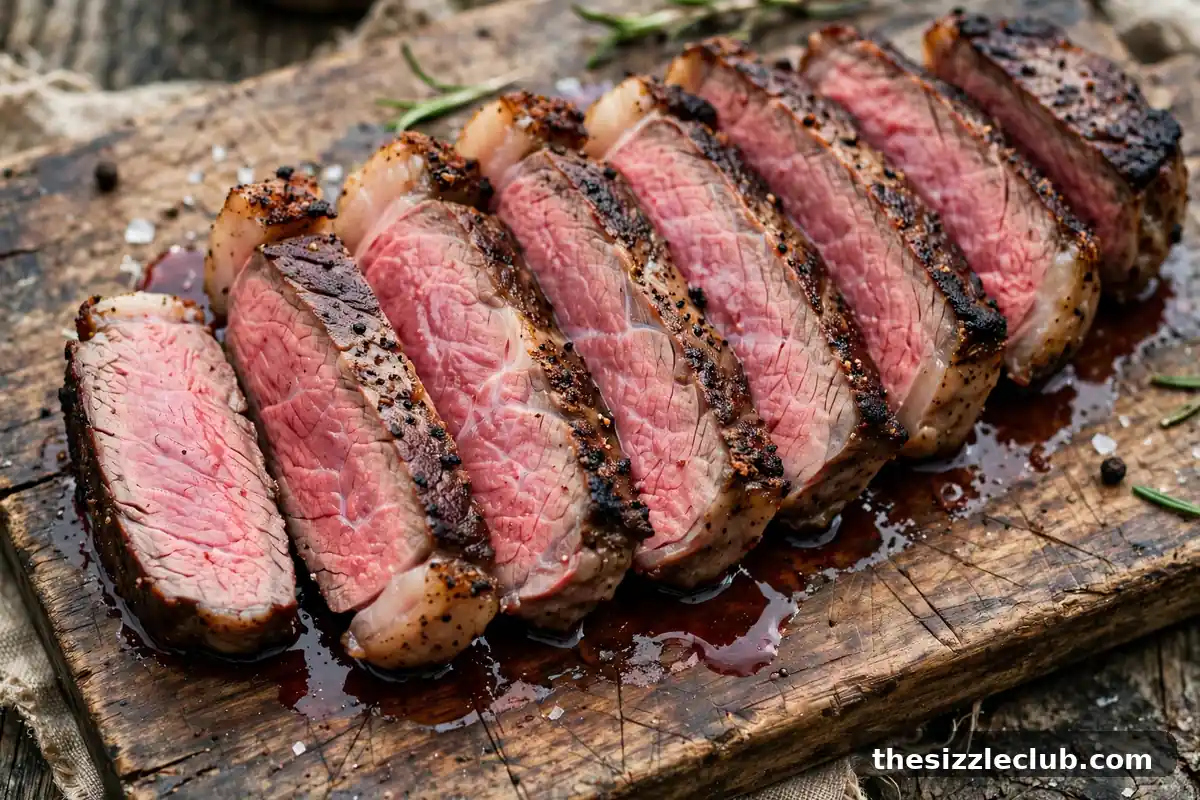
How to Grill Filet Mignon (Perfectly Medium-Rare Every Time): Times, Temperatures & Butter Basting
Grill a 1.5-inch filet mignon over high direct heat for 4 to 5 minutes per side, pull it at 130°F for medium-rare, and rest it for 5 minutes before slicing. That is the whole method. Everything below is about doing each of those steps right, because filet is the leanest and most expensive cut on the grill, and it forgives almost nothing. Get the thickness, the fire, and the thermometer right, and you get a steakhouse result at home. Get any one of them wrong, and you get a dry, grey, very expensive disappointment.
Key Takeaways:
- Filet mignon is lean and tender, so it cooks fast and dries out fast. Thickness matters more than weight.
- Buy steaks 1.5 to 2 inches thick. Thinner filets overcook before they can form a crust.
- Use a two-zone fire: sear hard over direct heat, finish gently over indirect heat.
- Pull the steak 5°F below your target temperature. Carryover cooking does the rest while it rests.
- Rest 5 minutes, then finish with butter. That rest is not optional.
Why Filet Mignon Is the Hardest Steak to Grill Well
Filet mignon comes from the tenderloin, the least-worked muscle on the animal, which is why it is famously tender. It is also famously lean. A ribeye carries ribbons of intramuscular fat that baste the meat from the inside as it cooks and forgive a minute too long on the fire. A filet has almost none of that insurance. There is very little fat to melt, very little margin between perfectly pink and overdone, and a mild, delicate beef flavor that turns bland the moment the meat dries out.
That combination is why filet has a reputation problem on the grill. Cooked well, it is buttery, tender, and genuinely special. Cooked like a burger or a thick ribeye, it is tough, dry, and grey all the way through. The good news is that the fixes are simple and repeatable. They are thickness, temperature control, and timing, and none of them requires special equipment beyond a thermometer and a hot grill.
Buying the Right Filet Mignon
Start at the butcher counter, not the grill, because the most common filet failure happens before the fire is even lit. Look for center-cut filets that are evenly thick from edge to edge, 1.5 to 2 inches thick, and about 6 to 8 ounces per person. The tail end of the tenderloin tapers and cooks unevenly, so it is worth asking for center-cut specifically. If the steaks in the case are all an inch thick or less, skip them for grilling and save them for a pan, or ask the butcher to cut thicker ones.
Grade matters, but less than thickness. USDA Prime has a little more marbling than Choice and is worth it for a special occasion. Choice is excellent for a weeknight and is what most good butchers stock. Either way, look for a deep red color and a fine, even grain. Avoid steaks that look wet or washed out in the package, and avoid any with a grey or brown tinge. If your filet comes wrapped in bacon, that is the butcher compensating for the leanness with outside fat. It works, but it also hides the steak, so for a first attempt buy it plain.
How thick is thick enough?
A 1-inch filet goes from rare to well-done in about 2 minutes per side, which leaves no window to build a proper crust before the center is overcooked. A 1.5-inch steak gives you roughly 4 to 5 minutes per side, which is enough time for real browning on the outside while the center climbs slowly to medium-rare. A 2-inch steak is even more forgiving, though it usually needs a short finish over indirect heat. Thickness is the single biggest lever you have, and it costs nothing.
Prep: Seasoning, Tempering, and the Dry Surface Rule
Seasoning filet is simple: coarse kosher salt and freshly ground black pepper. The timing of the salt is where people go wrong. Salt draws moisture out of the surface, and if you salt 5 or 10 minutes before grilling, that moisture is sitting on the surface when the steak hits the grate, and the steak steams instead of searing. There are two windows that work. Either salt 40 to 45 minutes ahead, which gives the moisture time to be drawn out and then reabsorbed into the meat, or salt immediately before the steak goes on the grill. Anything in between is the worst of both worlds.
Take the steaks out of the fridge 30 to 45 minutes before grilling so they lose their chill. A steak that goes on the grill at 38°F cooks unevenly, with a cold center and an overdone outer ring. Pat the surface completely dry with paper towels right before grilling. A dry surface browns; a wet surface steams. Rub a thin coat of high-smoke-point oil, like avocado oil, onto the steak itself rather than the grates. It helps the seasoning stick and keeps the steak from bonding to the metal.
How to Grill Filet Mignon, Step by Step
1. Build a two-zone fire
Set up a hot side and a cool side. On a gas grill, turn one or two burners to high and leave the other side on low or off. On a charcoal grill, bank all the coals to one side. You want the hot side at 450 to 500°F at grate level, measured with the lid closed. The cool side is your safety net. If the crust is perfect but the center is still underdone, the steak moves to the cool side and finishes gently instead of burning.
2. Sear over direct heat
Lay the steaks on the hot side and close the lid. For a 1.5-inch filet, that means 4 to 5 minutes on the first side. Do not move it, do not press it, and do not peek every 30 seconds. The steak needs uninterrupted contact with the grate to build a crust, and pressing it with a spatula only squeezes out juice. Flip once, and give the second side another 4 to 5 minutes. If you want crosshatch marks, rotate the steak 90 degrees halfway through each side, but only once per side.
3. Move to indirect heat to finish
If the crust looks done and the thermometer says the center still needs a few degrees, slide the steak to the cool side, close the lid, and let it climb gently. This is the step that saves thick filets. A 2-inch steak will almost always need 2 to 4 minutes of indirect time after searing. Check the temperature every minute or so once you are close, because a lean filet can jump 5 degrees in a minute at this stage.
4. Butter-baste on the grill
Because filet is so lean, a little butter at the end makes a real difference. Put a small cast-iron skillet or a folded foil tray on the grill with 2 tablespoons of butter, a crushed garlic clove, and a sprig of thyme. Once the butter foams, spoon it over the steaks for the last minute or two of cooking, or drizzle it over them as they rest. Do not baste from the start. Butter burns at searing temperatures, and burnt butter tastes bitter.
5. Rest for 5 minutes
Move the steaks to a warm plate, tent them loosely with foil, and leave them alone for 5 minutes. The internal temperature will rise about 5°F during this time, which is exactly why you pulled the steak early. The juices, which were driven toward the center by the heat, redistribute through the meat. Cut into a filet straight off the grill and those juices run out onto the plate. Wait 5 minutes and they stay in the steak.
Filet Mignon Times and Temperatures
Use a thermometer, not the clock. Times vary with your grill, the weather, and the exact thickness of the steak, but temperatures do not. The USDA recommends cooking beef steaks to a minimum of 145°F with a 3-minute rest. Many experienced grillers pull a filet at 130°F for medium-rare, which finishes around 135°F after resting. That is below the USDA minimum, so know the guidance and make your own call. Whatever target you choose, pull the steak 5°F early and let carryover cooking finish the job.
Grilling time and temperature chart
| Thickness | Doneness | Pull temperature | Final temperature after rest | Approx. time per side |
|---|---|---|---|---|
| 1.5 inches | Rare | 120°F | 125°F | 3 to 4 minutes |
| 1.5 inches | Medium-rare | 130°F | 135°F | 4 to 5 minutes |
| 1.5 inches | Medium | 140°F | 145°F | 5 to 6 minutes |
| 2 inches | Rare | 120°F | 125°F | 4 to 5 minutes |
| 2 inches | Medium-rare | 130°F | 135°F | 5 to 6 minutes |
| 2 inches | Medium | 140°F | 145°F | 6 to 7 minutes |
Insert the thermometer horizontally into the side of the steak, into the thickest part, and make sure the tip is in the center of the meat and not touching fat or the grate. A cheap instant-read thermometer is more accurate than any poke test, and it is the difference between guessing and knowing.
A real cook, logged step by step
Here is a cook I timed and logged on a gas grill, so you can see what the numbers look like in practice rather than in theory. One 8-ounce center-cut filet, 1.5 inches thick, USDA Choice, salted 45 minutes ahead and patted dry. The grill was preheated with the lid closed until the grate thermometer read 475°F. The steak went on the hot side at minute zero and stayed put for 4 minutes and 30 seconds. After a single flip, the second side cooked for 4 minutes and 15 seconds. The crust was deep brown, so the steak moved to the cool side for 2 minutes to finish without burning. I pulled it at 129°F, rested it 5 minutes under loose foil, and the final temperature was 134°F. The result was pink edge to edge with a dark, crisp crust and no grey band. The whole cook, from grate to plate, took just under 12 minutes. That is the value of the two-zone setup: the sear and the finish are separate jobs, and the steak never has to do both at once.
Butter Basting on the Grill: Is It Worth It?
Yes, and for filet more than for any other steak, because the cut brings so little fat of its own. Basting adds richness and helps the surface stay moist while the center finishes. The trick is timing. Baste in the last minute or two, or during the rest, when the heat is lower. If you baste over full direct heat, the milk solids in the butter scorch and turn bitter. If you do not have a skillet or tray handy, a spoonful of compound butter on top of the steak as it rests does the same job with less fuss. Mix softened butter with garlic, thyme, and a pinch of flaky salt, roll it into a log, chill it, and slice a coin onto each steak. It melts into the meat as it rests and needs no grill space at all.
5 Mistakes That Ruin Filet Mignon
The first mistake is buying thin steaks, which overcook before they sear. The second is grilling straight from the fridge, which gives you a cold center and a grey outer ring. The third is searing over a dirty grate or a grill that is not hot enough, which leaves the steak stuck to the metal and pale instead of browned. The fourth is skipping the rest and cutting in immediately, which pours the juice onto the cutting board. The fifth, and the one that causes the other four to matter, is cooking by time alone instead of using a thermometer. Filet is too expensive and too lean to cook by guesswork. Every one of these mistakes is easy to avoid once you know to look for it.
What to Serve With Grilled Filet Mignon
Keep the sides simple and let the steak carry the plate. Mushrooms sautéed in butter, grilled asparagus, a baked potato, or a simple salad all work. A red wine reduction or a spoonful of blue cheese butter is enough sauce. Avoid heavy, complicated sides that compete with the steak. A medium-bodied red like a Côtes du Rhône or a Pinot Noir pairs well without overwhelming the delicate flavor of the meat.
Frequently Asked Questions
How long do you grill filet mignon?
A 1.5-inch filet takes about 4 to 5 minutes per side over direct heat at 450 to 500°F for medium-rare, plus a 5-minute rest. A 2-inch filet needs about 5 to 6 minutes per side and often a short finish over indirect heat. Always confirm with a thermometer rather than relying on time alone.
What temperature should filet mignon be grilled to?
Pull it at 130°F for medium-rare, 120°F for rare, or 140°F for medium, and let it rest 5 minutes so carryover cooking adds about 5°F. The USDA recommends a minimum of 145°F for beef steaks with a 3-minute rest, so medium-rare at 130°F is below that guidance. Use a thermometer inserted into the thickest part of the steak.
Should you grill filet mignon with the lid open or closed?
Grill with the lid closed. A closed lid traps heat and cooks the steak more evenly, which matters for a thick cut. Open the lid only briefly to flip, check the temperature, or control a flare-up.
Do you need to marinate filet mignon?
No. Filet is already tender, so marinating does nothing for texture, and a strong marinade masks the delicate flavor you are paying for. Salt, pepper, and a butter finish are all it needs.
How do you keep filet mignon from drying out?
Buy steaks at least 1.5 inches thick, cook them over a two-zone fire so the crust and the center finish separately, pull them 5°F below your target temperature, and rest them for 5 minutes before slicing. A thermometer and a short rest do more than any marinade or sauce.
Bottom Line: Filet mignon rewards precision and punishes guesswork, but the method itself is simple. Buy it thick, salt it early, sear it hot over a two-zone fire, pull it at 130°F for medium-rare, rest it 5 minutes, and finish it with butter. Do those six things and you will get a steakhouse filet off your own grill, every single time.