How to Grill Tri-Tip (Juicy, Perfectly Pink): Times, Temperatures & the Reverse Sear
Tri-tip is the cut that turns a regular backyard cookout into the meal people talk about for weeks — and it is also one of the easiest roasts to ruin. Cook it like a steak over screaming-hot direct heat and the outside burns before the middle catches up. Cook it gently, then sear it hard at the end, and you get something else entirely: edge-to-edge pink, juicy beef under a dark, salty crust.
The method is the reverse sear, and it is the single best way to grill tri-tip. Set up a two-zone fire, cook a 2–3 lb tri-tip over indirect heat at 225°F (107°C) until the centre hits 115°F (46°C), then sear it for about 90 seconds per side over direct heat. Rest it for 10 minutes, slice it against the grain, and serve. Total time is roughly 45–60 minutes, and the result is consistently better than any direct-grill attempt.
Key Takeaways
- Reverse sear is the best method for tri-tip: gentle indirect heat first, hard sear last.
- For medium-rare, pull the roast off indirect heat at 115–120°F; the sear and rest carry it to 130–135°F.
- A 2.5 lb tri-tip needs about 35–40 minutes of indirect cooking at 225°F, plus a 3–4 minute sear.
- Always rest tri-tip for 10 minutes before slicing.
- Slice against the grain — and remember the grain changes direction halfway through the roast.
What Is Tri-Tip — and Why It Grills So Well
Tri-tip is a triangular, boneless roast cut from the bottom sirloin, just above where the sirloin meets the flank. It usually weighs between 1.5 and 3.5 pounds (0.7–1.6 kg), and it is shaped like a boomerang: thick and rounded at one end, tapering to a thin tail at the other.
The cut became famous in Santa Maria, California, in the 1950s, when butchers started selling it as a barbecue roast instead of grinding it into hamburger. It caught on because it eats like a premium steak at a fraction of the price: it has the rich, beefy flavour of sirloin, enough marbling to stay juicy, and a tight grain that slices beautifully — provided you cut it the right way.
Tri-tip is also unusually forgiving for a lean roast. Because it is relatively thin and uniform compared with a prime rib, it cooks evenly on a grill, and because it is not as thick as a brisket, it does not need hours of low-and-slow cooking. Forty-five minutes to an hour is enough, which makes it one of the best weeknight roasts a grill can produce.
What You Need
For the roast, you need one tri-tip, 2–3 lb (0.9–1.4 kg), plus 1 tablespoon of kosher salt, 2 teaspoons of coarse black pepper, 1 teaspoon of garlic powder, and 1 teaspoon of onion powder if you like it. A tablespoon of olive oil is optional — it helps the rub stick, but the roast has enough surface fat that you can skip it.
For equipment, you need a grill with a lid — charcoal or gas both work — and an instant-read thermometer. That thermometer is non-negotiable: tri-tip goes from perfect to overdone in a matter of minutes, and guessing is how good roasts become grey ones. You will also want long tongs, a cutting board, a sharp carving knife, and a sheet of aluminium foil for tenting the roast while it rests.
How to Trim and Season Tri-Tip
Start by trimming. Tri-tip often comes with a fat cap on one side and a layer of silver skin underneath it. Trim the fat cap down to about 1/4 inch (6 mm) — leave some, because it bastes the meat as it cooks — and peel away any silver skin you can catch with the tip of a knife. Silver skin never softens, so any you leave behind becomes a chewy strip in an otherwise perfect slice.
Pat the roast completely dry with paper towels. Moisture is the enemy of a good sear, so take the time to do this properly; a wet surface steams instead of browning, and you will end up with a pale, soft crust.
Season generously on all sides. Salt is doing two jobs here: flavour, and drawing moisture out of the surface so it dries and sears better. For best results, salt the tri-tip at least 45 minutes before grilling, or up to 24 hours ahead if you can plan that far — an overnight dry brine in the fridge is the single easiest upgrade you can make to this cook. Add the pepper, garlic powder and onion powder just before it goes on the grill, since pepper can turn bitter during a long rest.
Tri-Tip Grilling Times and Temperatures
Indirect cooking time at 225°F (107°C), for a roast about 2 inches thick, cooked to 115°F internal before searing:
| Roast weight | Indirect time at 225°F | Sear time | Rest | Total |
|---|---|---|---|---|
| 1.5 lb (0.7 kg) | 25–30 minutes | 3–4 minutes | 10 minutes | About 40 minutes |
| 2 lb (0.9 kg) | 30–35 minutes | 3–4 minutes | 10 minutes | About 45 minutes |
| 2.5 lb (1.1 kg) | 35–40 minutes | 3–4 minutes | 10 minutes | About 50 minutes |
| 3 lb (1.4 kg) | 40–45 minutes | 3–4 minutes | 10 minutes | About 55 minutes |
| 3.5 lb (1.6 kg) | 45–50 minutes | 3–4 minutes | 10 minutes | About 60 minutes |
These are starting points, not gospel — thickness matters more than weight, and every grill runs a little differently. Trust the thermometer, not the clock.
Doneness guide — pull temperature from indirect heat versus final temperature after the sear and rest:
| Doneness | Pull from indirect heat | Final after sear and rest |
|---|---|---|
| Rare | 110°F (43°C) | 120–125°F (49–52°C) |
| Medium-rare | 115–120°F (46–49°C) | 130–135°F (54–57°C) |
| Medium | 125–130°F (52–54°C) | 140–145°F (60–63°C) |
| Medium-well | 135–140°F (57–60°C) | 145–150°F (63–66°C) |
| Well done | 145°F and up (63°C and up) | 155°F and up (68°C and up) |
A note on food safety: the USDA recommends cooking beef steaks and roasts to a minimum of 145°F (63°C) with a 3-minute rest. Medium-rare tri-tip at 130–135°F sits below that recommendation. Millions of people eat it that way, but it is your call — and if you are cooking for pregnant guests, young children, or anyone immunocompromised, take it to 145°F.
Step-by-Step: How to Grill Tri-Tip With a Reverse Sear
1. Set Up a Two-Zone Fire
On a charcoal grill, bank all the coals to one side and leave the other side empty. On a gas grill, light one or two burners on one side and leave the other side off. You want the indirect side holding steady at about 225°F (107°C) with the lid closed. If you are using charcoal, add a chunk of oak or hickory for smoke — tri-tip takes on smoke flavour beautifully, and one chunk is enough without overpowering the beef.
2. Cook Indirect Until 115°F
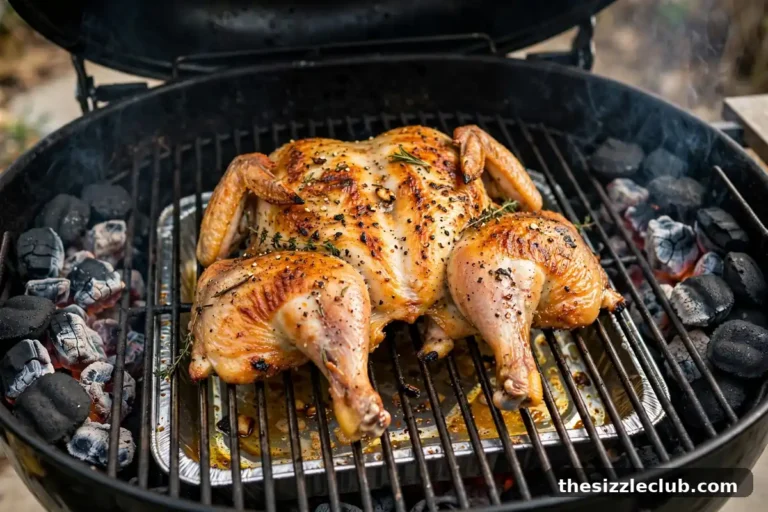
Place the tri-tip on the cool side of the grill, fat cap up, and close the lid. Leave it alone. For a 2.5 lb roast at 225°F, expect about 35–40 minutes before the centre reaches 115°F (46°C). Start checking with your instant-read thermometer after 25 minutes, probing the thickest part. Do not rely on time alone — the thermometer is what decides when the roast moves to the sear.
3. Sear Hot and Fast
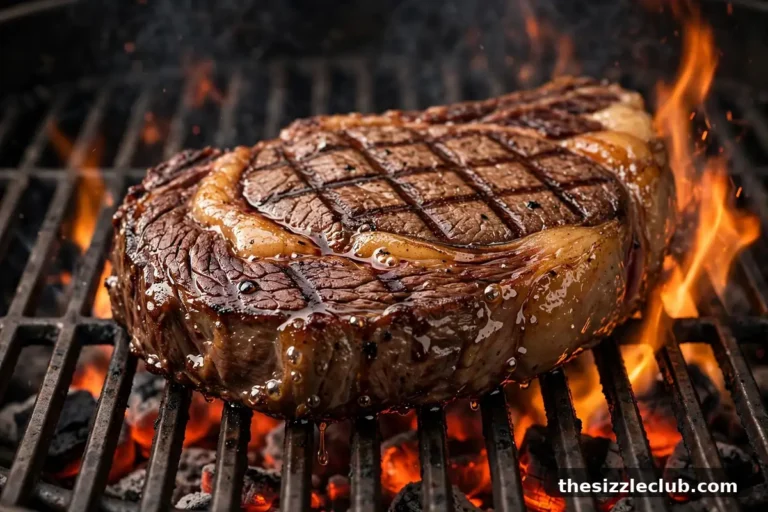
Once the roast hits 115°F, move it to the hot side of the grill, directly over the coals or the lit burners. You want the direct side as hot as you can get it — 500°F (260°C) or more. Sear for about 90 seconds per side, turning with tongs, until the outside is dark brown and crusty on all sides, including the edges. The whole sear takes 3–4 minutes, and it adds roughly 10–15°F to the internal temperature. If flare-ups happen, move the roast to the edge of the hot zone for a few seconds rather than letting it sit in the flames.
4. Rest for 10 Minutes — Do Not Skip It
Move the tri-tip to a cutting board, tent it loosely with foil, and rest it for 10 minutes. The internal temperature will climb a few more degrees during the rest, and the juices will redistribute through the meat instead of running out onto the board. Cutting into it immediately is the fastest way to turn a juicy roast into a dry one — the juices pool on the board instead of staying in the slices.
5. Slice Against the Grain
This is where tri-tip is different from almost any other roast, and it is covered in detail in the next section. In short: find the direction of the muscle fibres, and cut across them in slices about 1/4 inch thick.
How to Slice Tri-Tip Against the Grain
Slicing is the step most people get wrong, and it matters more for tri-tip than for any other cut on the grill. The grain of a tri-tip runs in two directions: on the thick, rounded half of the roast it runs one way, and on the thin tail it runs the other. Slice the whole roast in one direction and half of it will be chewy, because half of it was cut with the grain.
Here is the fix. Look at the cooked roast and find the seam where the grain changes direction — it sits roughly at the bend of the boomerang, about two-thirds of the way along. Cut the roast in half right there, so you have two pieces, each with a single grain direction. Then slice each piece against its own grain, in slices about 1/4 inch (6 mm) thick, holding the knife at a slight angle so each slice has a wide, tender face.
Thin slices matter here. Because tri-tip is a relatively lean cut, a 1/2-inch slice cut with the grain can feel tough even when the meat is cooked perfectly. The same roast sliced thin and against the grain eats like a much more expensive steak.
Santa Maria–Style Tri-Tip (The Classic Variation)
If you want the original California version, keep it simple. The classic Santa Maria rub is just salt, black pepper, garlic powder and onion powder, applied heavily. Cook it over red oak if you can get it — oak is the traditional wood, and it gives a cleaner, milder smoke than hickory or mesquite. Serve it the Santa Maria way: sliced thin, with pinquito beans, fresh salsa, a green salad and grilled garlic bread. No barbecue sauce needed — the beef, the salt and the smoke carry the whole plate.
5 Tri-Tip Mistakes to Avoid
First, do not grill tri-tip like a steak over direct heat the whole time. The thin tail will be well done and dry before the thick end reaches medium-rare. Indirect heat first, then a short sear, fixes this completely.
Second, do not skip the thermometer. Tri-tip has a small window between perfect and overdone, and there is no reliable way to judge it by pressing the meat or by timing it. A twenty-dollar instant-read thermometer is the difference between guessing and knowing.
Third, do not slice with the grain. As explained above, the grain changes direction halfway through the roast, so a single-direction slice guarantees half the meat is chewy.
Fourth, do not cut into it the moment it comes off the grill. Ten minutes of rest is not optional — it is what keeps the juices in the meat.
Fifth, do not overcook it. Tri-tip is at its best at medium-rare to medium. Taken past 150°F it dries out quickly, and no sauce will bring it back.
What to Serve With Grilled Tri-Tip
Tri-tip is rich and beefy, so it pairs best with sides that cut through the fat or soak up the juices. Grilled vegetables — zucchini, peppers, mushrooms and corn — cook on the same grill while the roast rests. A crisp green salad with a sharp vinaigrette, garlic bread, or roasted potatoes all work. For a classic barbecue plate, add baked beans and coleslaw. And if you have leftovers, thin-sliced tri-tip makes outstanding sandwiches the next day with horseradish sauce on a crusty roll.
Frequently Asked Questions
How long does it take to grill a tri-tip?
A 2.5 lb tri-tip takes about 50 minutes in total: 35–40 minutes of indirect cooking at 225°F, a 3–4 minute sear over direct heat, and a 10-minute rest. Larger roasts take longer; a 3.5 lb tri-tip needs close to an hour.
What temperature should tri-tip be cooked to?
For medium-rare, pull it from indirect heat at 115–120°F and let the sear and rest carry it to 130–135°F. The USDA minimum for beef is 145°F with a 3-minute rest, so cooking below that is a personal choice.
Should I grill tri-tip direct or indirect?
Indirect first, then direct. Cook it over indirect heat until it is about 15°F below your target temperature, then sear it hot and fast. Direct heat for the whole cook burns the outside before the inside is done.
Do you flip tri-tip while grilling?
During the indirect stage, no — leave it fat cap up with the lid closed so it cooks evenly. During the sear, turn it every 90 seconds or so until all sides are browned. Flip with tongs, never a fork, so you do not pierce the meat and lose juices.
Can I grill tri-tip on a gas grill?
Yes. Set up a two-zone fire by lighting the burners on one side and leaving the other side off, and cook exactly the same way. A gas grill will not give you the same smoke flavour as charcoal, so add a smoker box with wood chips if you want that note.
Bottom Line
Tri-tip rewards a little patience and punishes guesswork. Give it a two-zone fire, a thermometer, a hard sear at the end and ten minutes of rest, and slice it against the grain — remembering that the grain changes direction halfway through. Do those five things and a thirty-dollar roast will eat like a steakhouse dinner.