Direct vs Indirect Heat: When to Use Each
Direct heat means cooking right over the flame or coals. Indirect heat means cooking beside the heat with the lid closed, letting hot air do the work. That one distinction decides whether dinner is perfectly cooked or charred outside and raw inside. The rule of thumb: thin foods cook fast over direct heat, thick foods cook gently over indirect heat, and many great cooks use both in sequence. Once you understand when to use each, you can grill almost anything with confidence.
What Direct and Indirect Heat Actually Mean on a Grill
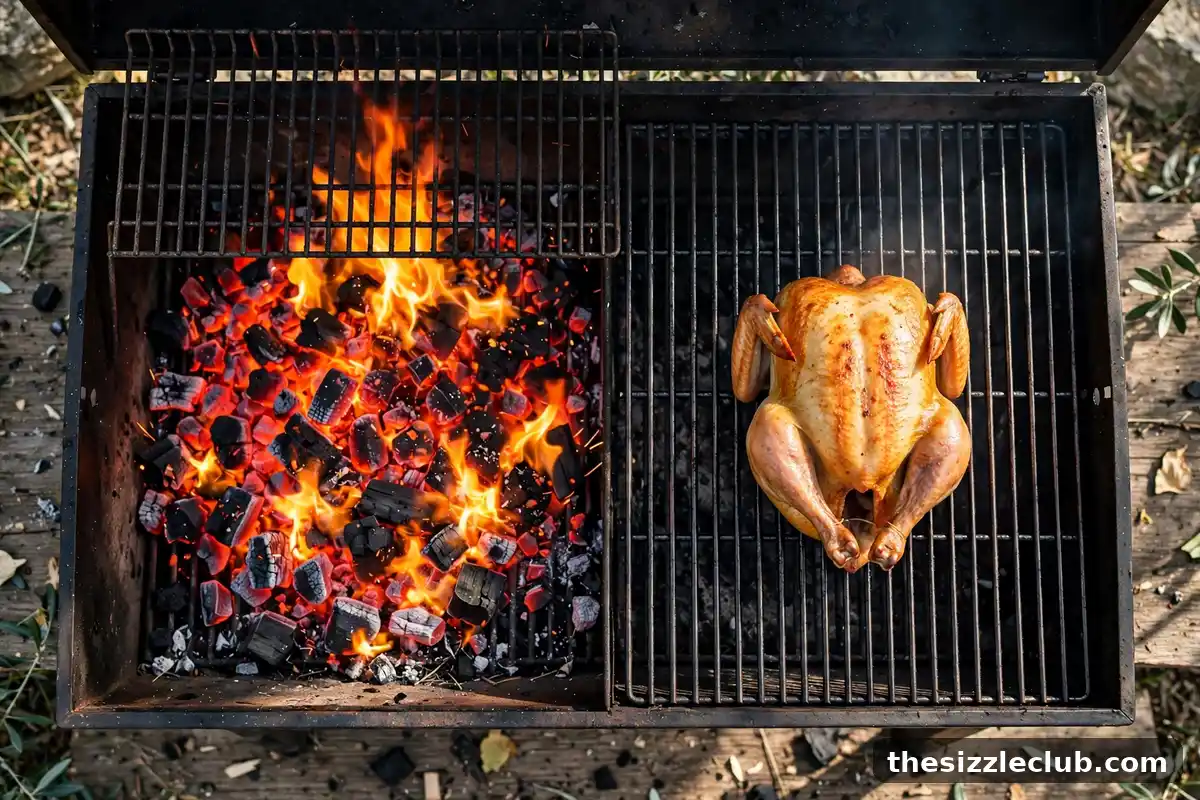
Direct heat is radiant heat coming straight off the fire. The food sits directly above the heat source, temperatures at the grate run very high, and cooking happens fast — this is searing, charring, and quick-cooking territory. Think of it as the grill equivalent of a screaming-hot skillet.
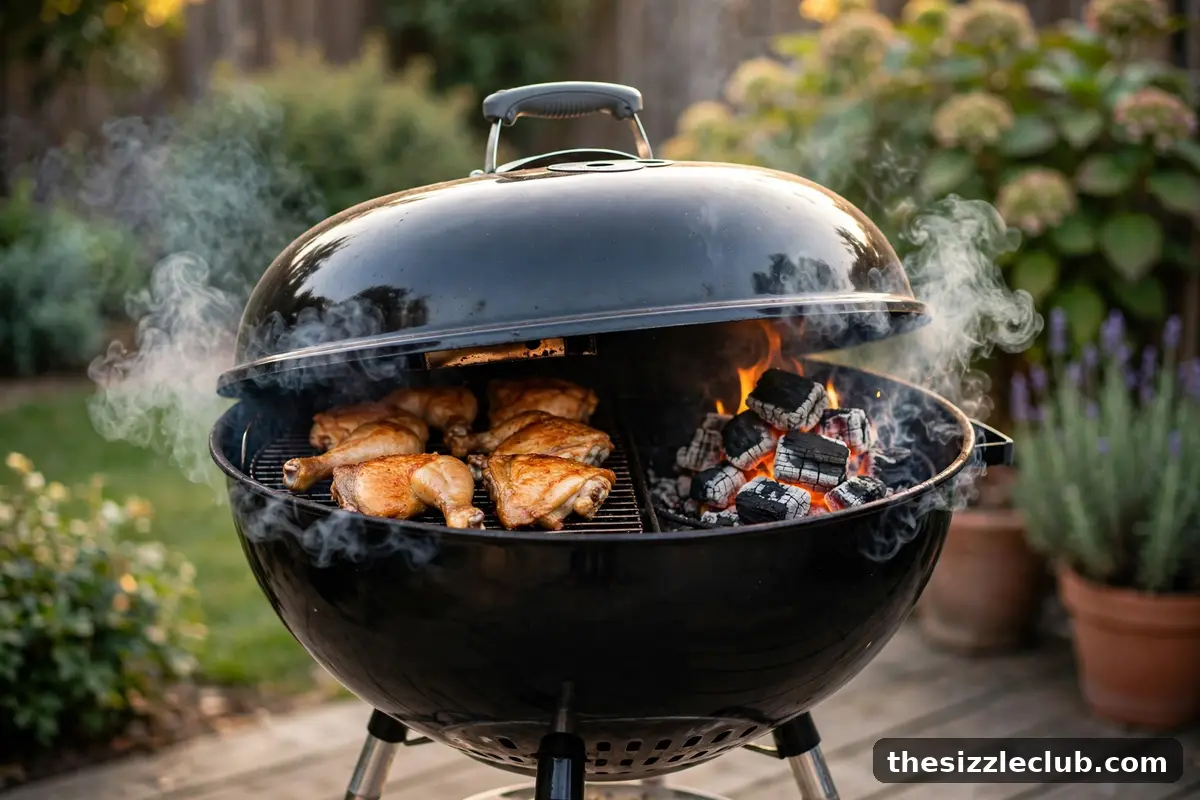
Indirect heat is convection heat. The food sits away from the fire, the lid stays closed, and hot air circulates around the food like an oven. Temperatures are moderate and even, cooking is slower, and thick foods cook through without burning. Think of it as the grill equivalent of roasting.
The key insight is that a grill can be both at once. A two-zone fire — heat on one side, no heat on the other — gives you a direct zone and an indirect zone side by side, and you move food between them as the cook demands. Our guide to setting up a two-zone fire shows exactly how to build this on any grill type.
The Thickness Rule: When to Sear, When to Roast
The simplest decision rule in grilling: if the food is under about three-quarters of an inch thick, cook it entirely over direct heat. Burgers, hot dogs, thin steaks, shrimp, asparagus, and sliced vegetables all fall in this camp — they cook through in the same time it takes to get a good sear, so direct heat from start to finish is perfect.
If the food is thicker than about three-quarters of an inch, it needs indirect heat for at least part of the cook. A thick steak, a whole chicken, pork chops, or a pork tenderloin will char on the outside long before the center cooks through if left over direct heat the whole time. The standard pattern is sear-then-roast: brown the outside over direct heat, then slide the food to the indirect zone, close the lid, and let it finish gently. If you are new to all of this, our complete beginner’s guide to grilling walks through the full learning sequence.
The gray zone in the middle
Foods between half an inch and an inch thick — bone-in chicken thighs, thick burgers, pork chops — live in a gray zone where either approach can work. The safest default is the combination: a quick direct sear for color and flavor, then indirect to finish. When in doubt, choose indirect for the bulk of the cook. You can always add more sear, but you cannot unburn the outside.
Setting Up Each Zone on Gas, Charcoal, and Pellet Grills
Gas grills
On a two-burner gas grill, turn one burner to medium-high and leave the other off — the lit side is your direct zone, the unlit side is indirect. On a three-burner grill, light the two outer burners and leave the center off for a large indirect zone, or light one side only. Preheat with all burners on, then dial back to your zones. The lid stays closed whenever food is on the indirect side.
Charcoal grills
Pile the lit coals on one side of the grill, leaving the other side empty. That is your two-zone fire: blazing hot over the coals, gentle and oven-like on the empty side. Bank the coals against one wall for a bigger indirect area, or use a charcoal basket to keep them tidy. Adjust temperature with the vents — more air means hotter coals — and keep the lid on for indirect cooking.
Pellet grills
Pellet grills are indirect cookers by design: the fire pot sits below a diffuser plate, so heat arrives as convection. For direct-heat searing, most pellet grills offer a workaround — a sliding diffuser panel, a sear zone, or a cast-iron grate placed directly over the fire pot. Check your model’s manual for its direct option. Many pellet owners also keep a small charcoal kettle or a screaming-hot cast-iron pan nearby for the sear phase of thick cuts.
Foods That Demand Indirect Heat (and Why)
Some foods simply cannot be cooked well over direct heat alone. Whole chickens and turkeys need forty-five minutes to over an hour — direct heat would reduce them to charcoal long before the center cooks. Thick roasts, pork shoulders, and ribs need long gentle cooks that only indirect heat can provide. Bone-in chicken pieces flare constantly over direct heat because of dripping fat and skin; indirect heat renders the fat calmly and crisps the skin without drama. Delicate items like fish fillets and stuffed vegetables also benefit, since aggressive direct heat tears them apart or scorches the outside. Sugary glazes and barbecue sauces burn over direct heat because sugars caramelize then scorch — sauce belongs on during the indirect phase or at the very end over gentle heat.
Switching Mid-Cook: The Sear-Then-Roast Pattern
The sear-then-roast pattern is the workhorse technique of good grilling, and it uses both zones in one cook. Here is how it runs:
- Set up a two-zone fire: one side hot and direct, the other side empty and indirect.
- Pat the food dry and season it. Dry surfaces sear better.
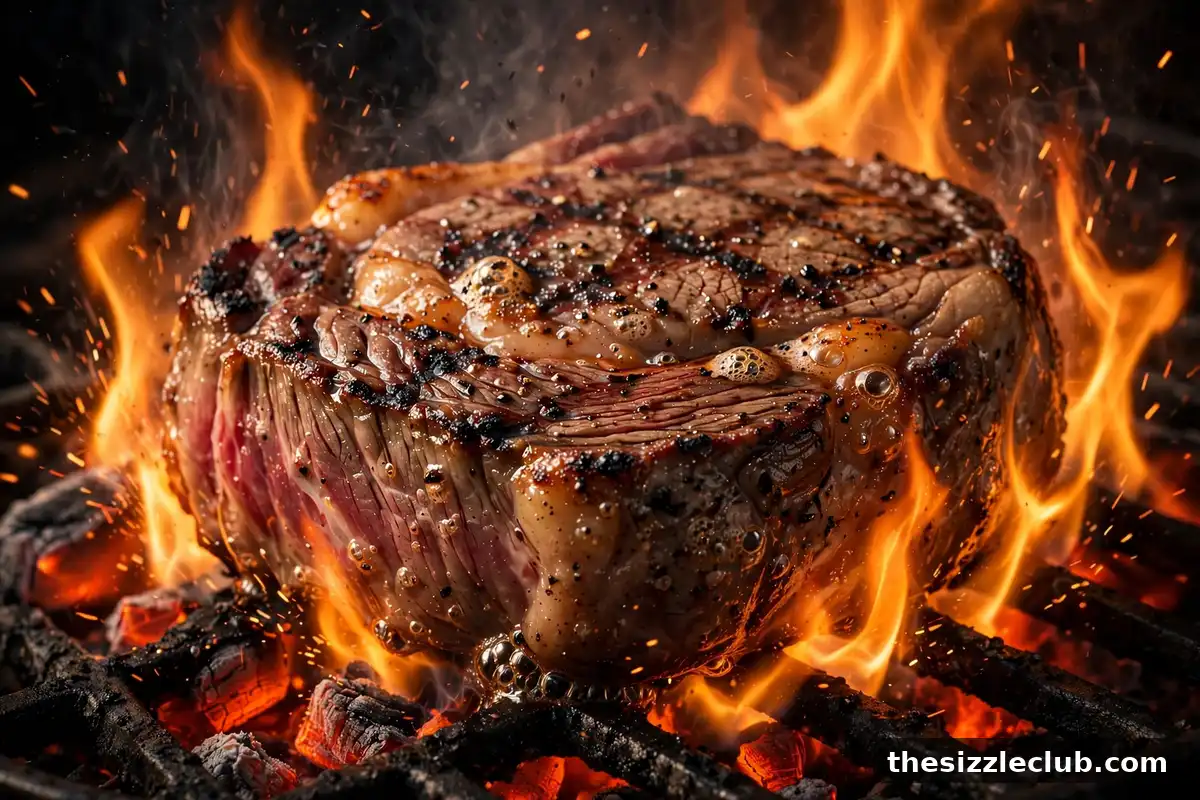
- Sear over direct heat: one to two minutes per side for steaks and chops, just enough to build deep brown color.
- Move the food to the indirect zone and close the lid.
- Let it finish gently, checking internal temperature with a thermometer.
- Pull the food a few degrees before your target, rest it, and serve.
The reverse order — roast-then-sear, also called the reverse sear — works even better for very thick cuts, because the slow phase dries the surface for a harder final sear. Either direction, the principle is the same: use direct heat for color and flavor, indirect heat for control. Thick food cooked entirely over direct heat is the single most common cause of the charred-outside-raw-inside disaster, and the two-zone fire is the complete cure.
Mistakes to Avoid
- Cooking thick food over direct heat only. The classic beginner error. If it is thick, it needs indirect time.
- Leaving the lid open over indirect heat. Indirect cooking needs the lid closed to trap convection heat. Open lid means no oven effect.
- Putting sauce on too early. Sugary sauces burn over direct heat. Sauce during the indirect phase or in the last minutes.
- Guessing instead of probing. Indirect cooks take longer and vary more — a thermometer is even more important here than over direct heat.
- Crowding the indirect zone. Food needs airflow around it for even convection cooking. Leave space between pieces.
Decision Criteria: Choosing Your Heat in Seconds
Run this mental checklist every time food hits the grill. How thick is it? Under three-quarters of an inch — direct all the way. Over that — plan for indirect time. Does it have bones, skin, or sugary glaze? Indirect, or at least a quick sear followed by indirect. How long should it take? Under ten minutes — direct. Over fifteen minutes — indirect with the lid closed. Will it drip a lot of fat? Start indirect or keep the cool zone ready for flare-ups. Answer those four questions and you will pick the right heat every time without thinking twice.
Key Takeaways
- Direct heat cooks fast over the fire; indirect heat cooks gently beside it with the lid closed.
- The thickness rule: under three-quarters of an inch, direct all the way; thicker cuts need indirect time.
- A two-zone fire gives you both zones at once — the most versatile setup on any grill.
- The sear-then-roast pattern combines both: color from direct heat, control from indirect.
- Saucy, bony, fatty, and very thick foods all demand indirect heat for at least part of the cook.
Frequently Asked Questions
Can I use indirect heat on a small grill?
Yes, though the indirect zone will be smaller. On a compact kettle, bank the coals tightly to one side to maximize the cool area. On a two-burner gas grill, one burner off still gives you a workable indirect side. You may need to cook in batches for large items, but the technique works fine.
What temperature is indirect heat?
There is no single number — indirect heat is a method, not a setting. Most indirect grilling runs between 300 and 400 degrees Fahrenheit at the lid thermometer, while indirect smoking runs lower, around 225 to 275. Match the temperature to the food, not to a fixed definition.
Do I close the lid for direct heat too?
For quick direct searing, the lid can stay open since the cook takes only minutes. But closing the lid even over direct heat speeds cooking and adds a touch of smoke flavor. For anything thicker than a burger, close the lid — it cooks the top side through radiant and convection heat together.
Why is my indirect food taking so long?
Usually one of three causes: the lid keeps getting opened, the coals or burners are set too low, or it is cold and windy. Keep the lid shut, verify your temperature with a grill thermometer, and shield the grill from wind. Indirect cooking is slower by nature — trust the thermometer, not the clock.
Your next action: on your very next cook, set up two zones even if you think you will not need the cool side. Sear something thin entirely over direct heat, then try a thick chop with the sear-then-roast pattern. Feeling the difference between the zones — the blast of heat on one side, the calm oven on the other — will teach you more in one session than any article can. Direct versus indirect is not theory; it is the skill you will use at every single cook from here on.


