Gas vs Charcoal vs Pellet: An Honest Comparison
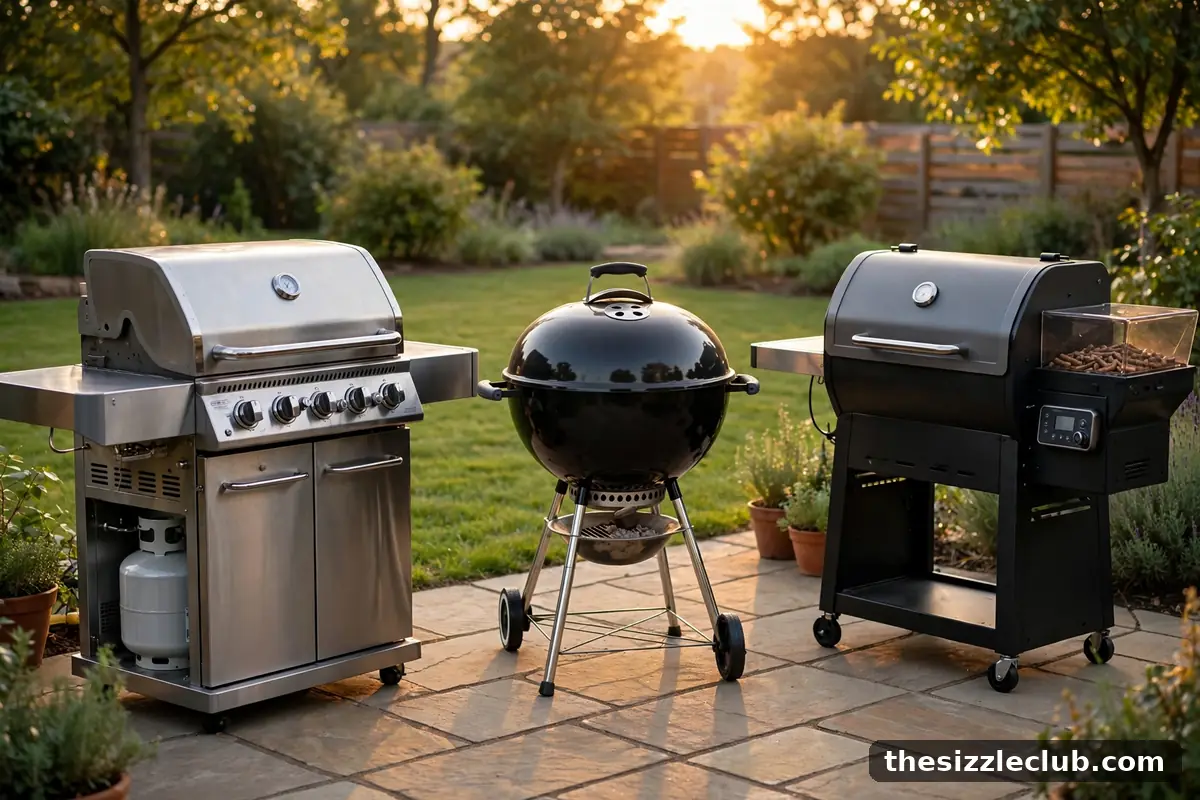
There is no best grill, only the best grill for how you cook. Gas wins on convenience, charcoal wins on flavor and versatility, and pellet wins on set-and-forget smoking ease. The honest comparison is not about which fuel is superior in the abstract; it is about which trade-offs fit your schedule, your patience, and the food you actually make on weeknights versus weekends. Work through the five comparisons below and the right choice usually becomes obvious.
Flavor Reality Check: What Each Fuel Actually Adds
Let us be direct about flavor, because this is where the most mythology lives. Charcoal adds real flavor: burning lump or briquettes produces combustion gases and vaporized drippings that genuinely change how food tastes, and charcoal is the only one of the three that can also burn real wood chunks for true smoke. Gas adds essentially no flavor of its own; the flavor on a gas grill comes from vaporized drippings hitting hot flavorizer bars, which is pleasant but not smoky. Pellet grills burn real wood, so they do add smoke flavor, but the efficient burn produces a milder smoke profile than chunks smoldering on charcoal.
The practical takeaway: if maximum smoky flavor is the goal, charcoal leads. If you want noticeable but mild wood flavor with minimal effort, pellet delivers. If you want clean, fast heat and plan to add smoke separately (or not at all), gas is honest about what it is. None of them make bad food; they make different food.
Convenience vs Ritual: The Lifestyle Question
This is the comparison that actually decides most purchases, because flavor differences matter less than whether you will use the grill on a Tuesday.
Gas: Push-Button Weeknight Cooking
Gas grills light instantly, preheat in 10 to 15 minutes, and shut off with a knob. Cleanup is minimal. If your realistic grilling life is burgers and chicken after work, gas removes every excuse not to grill. The ritual is thin, but the usage is high, and the grill you use beats the grill you admire.
Charcoal: The Ritual Itself
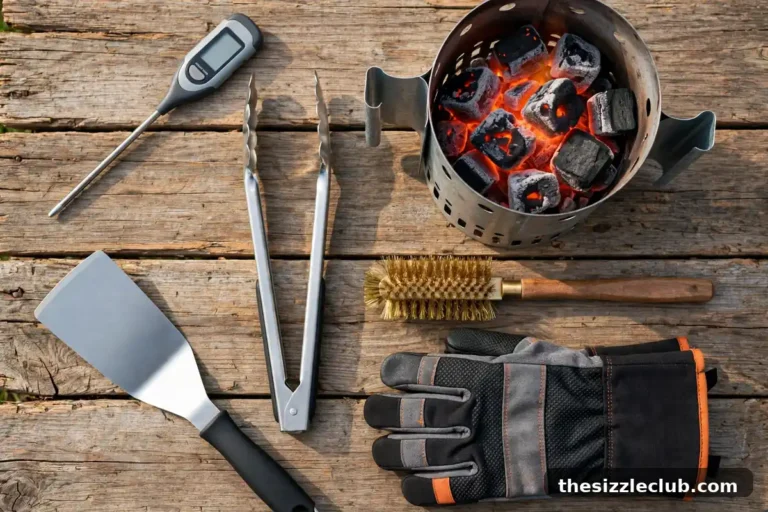
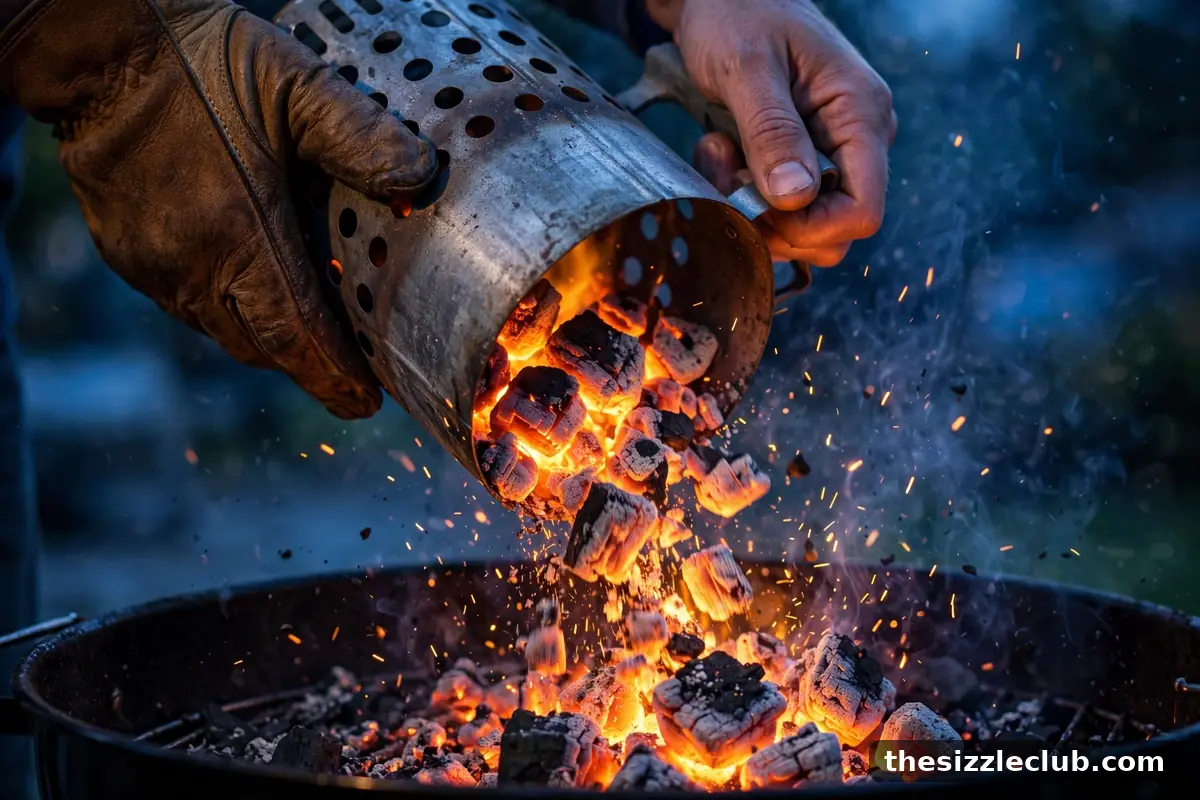
Charcoal demands 20 to 30 minutes of chimney lighting and fire management, plus ash cleanup afterward. For many cooks that process is the point: the fire is part of the pleasure, and charcoal’s versatility (direct searing, two-zone setups, the snake method for smoking) is unmatched. If you grill mainly on weekends and enjoy tending fire, charcoal rewards you. If you will resent the startup time, it will sit unused.
Pellet: Smoker Convenience, Grill Compromise
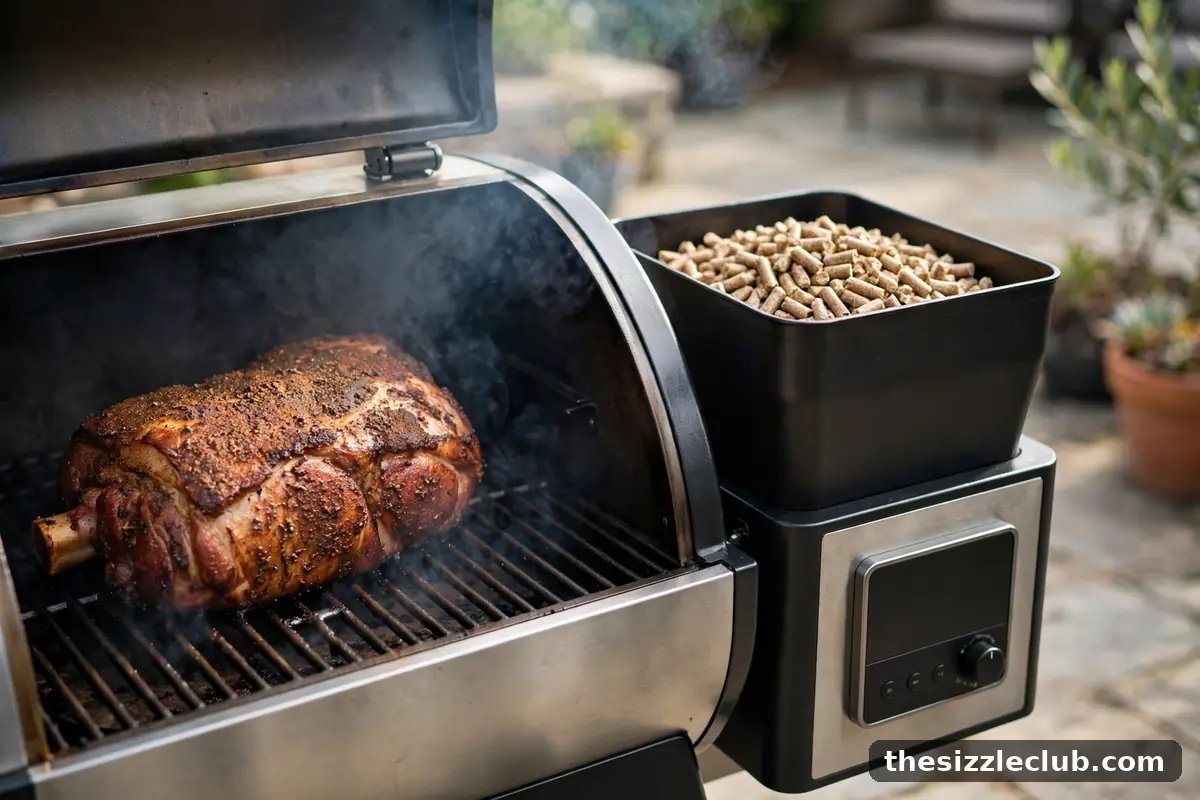
Pellet grills ignite automatically, hold temperatures with digital precision, and can run a 12-hour brisket while you sleep. They are the easiest path to real low-and-slow barbecue. The compromise is searing: most pellet grills top out at temperatures that sear adequately but not spectacularly, and they need electricity plus pellet supply logistics. Think of pellet as a superb smoker that also grills, rather than a grill that also smokes.
Pellet grills also introduce logistics the other fuels do not: they need a power outlet, so placement depends on cord reach, and pellets must be stored dry or they swell and jam the auger. They also produce fan and auger noise, noticeable in a quiet backyard but easy to ignore. None of these are dealbreakers, but they are the hidden costs of convenience that surprise first-time buyers. Gas needs a propane refill routine and charcoal needs dry storage too, so every fuel asks something of you; the question is which errand fits your life. A pellet owner who hates running out of pellets mid-cook will not love the cooker for long, just as a charcoal owner who dreads the chimney will not love theirs.
Cost Comparison: Grill, Fuel, and Maintenance Over 5 Years
Sticker price is only the down payment. Over five years of regular use, fuel and maintenance reshape the math.
- Gas: moderate to high upfront cost for a quality unit; propane is cheap per cook and widely available. Maintenance means replacing burners, igniters, and flavorizer bars every few years. Total five-year cost is usually the lowest of the three for frequent grillers.
- Charcoal: the cheapest entry point by far; a basic kettle costs little. But charcoal is the most expensive fuel per cook, and regular grillers burn through a surprising amount. Grate and ash-system replacement is cheap. Five-year total often exceeds gas for heavy users.
- Pellet: the highest upfront cost, plus ongoing pellet purchases that run higher than propane per cook. Electronics, augers, and fire pots need occasional replacement. Five-year total is typically the highest, offset by unmatched smoking convenience.
No prices are quoted here because they shift by region and year, but the ordering is stable: gas is cheapest long-term, charcoal is cheapest to start, pellet costs the most overall. Budget for the fuel you will actually burn, not just the grill you will buy once.
A cover, a good brush, and spare parts bought before you need them cost little and add years to any grill’s life, regardless of fuel type.
Learning Curve: Which Is Friendliest for Beginners
Gas is the easiest to learn: turn knobs until the built-in thermometer reads what you want, and focus entirely on the food. Pellet is nearly as easy for smoking, since the controller manages the fire; the learning is in the food, not the flame. Charcoal has the steepest curve because you manage the fire and the food simultaneously: vent control, coal arrangement, and refueling are skills that take a dozen cooks to internalize.
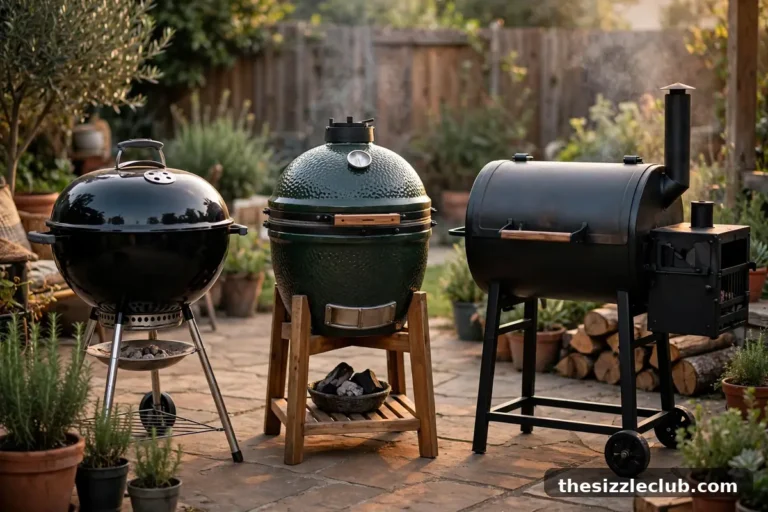
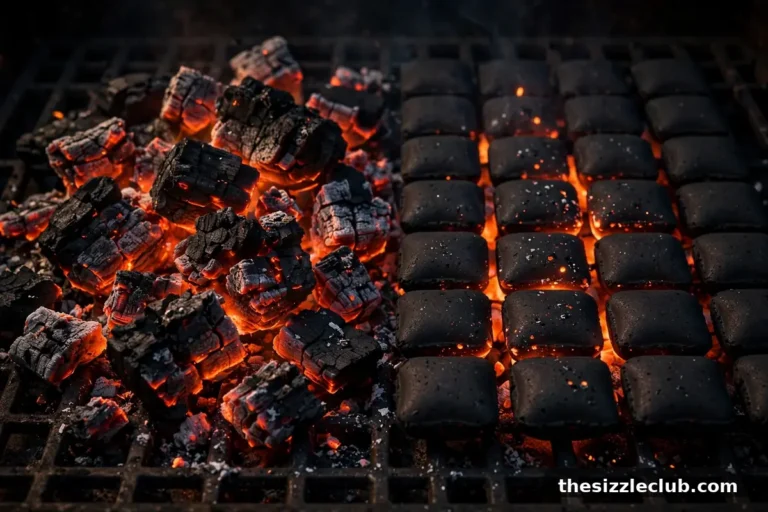
That said, the charcoal learning curve is front-loaded and pays permanent dividends. Every fire-management skill transfers to every other live-fire cooker you will ever own. If you plan to get serious about barbecue, learning charcoal first makes everything after it easier. For the deeper cooker comparison within charcoal cooking, see kettle vs kamado vs offset smoker, and for fuel choice, lump charcoal vs briquettes.
The Verdict Framework: Match the Grill to How You Cook
Answer these four questions honestly and the choice makes itself:
- When do you grill? Weeknights after work point to gas. Weekends with time to spare point to charcoal or pellet.
- What do you cook most? Burgers, chicken, and fish point to gas. Steaks you want to sear hard point to charcoal. Brisket, ribs, and pork shoulder point to pellet or charcoal.
- How do you feel about tending fire? If it sounds like a chore, buy gas or pellet. If it sounds like the fun part, buy charcoal.
- How many are you feeding? Large families and frequent entertainers need cooking area first and fuel type second; a big gas grill that fits everything beats a small charcoal grill that cooks in batches.
And remember the two-grill answer: a gas grill for weeknights plus a charcoal kettle for weekends is the setup many serious backyard cooks eventually land on, and a used kettle costs little. You do not have to choose one fuel for life.
Mistakes to Avoid
- Buying for the cook you imagine instead of the cook you are. The pellet smoker is wasted on someone who grills burgers twice a month.
- Choosing charcoal for speed. If weeknight speed matters, charcoal’s 30-minute startup will frustrate you.
- Expecting heavy smoke from a pellet grill. Pellet smoke is real but mild; adjust expectations or add a smoke tube.
- Buying the cheapest gas grill. Thin metal, weak burners, and hot spots; a mid-range gas grill lasts years longer.
- Ignoring fuel logistics. Pellet grills need dry pellet storage and electricity; charcoal needs dry storage and chimney time.
- Assuming one grill must do everything. The two-grill solution exists because no single fuel is best at everything.
Key Takeaways
- Charcoal leads on flavor and versatility, gas leads on convenience, pellet leads on effortless smoking.
- Long-term costs reorder the sticker prices: gas is usually cheapest over five years, pellet the most expensive.
- Gas and pellet are the easiest to learn; charcoal’s steeper curve teaches transferable fire skills.
- Match the grill to your real schedule: the grill you will use on a Tuesday beats the one you admire on Sunday.
- The two-grill setup (gas for weeknights, charcoal for weekends) resolves the dilemma for many cooks.
Frequently Asked Questions
Is charcoal really healthier or unhealthier than gas?
The meaningful health factors are charring and flare-up smoke, which occur on any grill when fat drips onto intense heat and food chars heavily. Trim excess fat, avoid blackening food, and keep the grill clean; the fuel type itself is a minor factor compared to how you cook.
Can a pellet grill replace both a gas grill and a smoker?
For many people, yes, with one caveat: searing. Pellet grills smoke brilliantly and roast well, but most do not reach the screaming-hot temperatures that give steaks a hard charcoal-style sear. Cooks who sear often pair a pellet grill with a small charcoal kettle or a ripping-hot cast iron pan.
How long does a bag of charcoal last?
It depends entirely on how you cook: a hot-and-fast weeknight session uses a fraction of a long low-and-slow smoke. As a rough planning guide, regular weekend grillers go through noticeably more fuel than they expect in the first year. Buy in bulk once you know your rhythm, and store it dry.
Do I need a pellet grill to make good barbecue?
No. Charcoal cookers with the snake method produce outstanding barbecue, as our kettle smoking guide shows, and dedicated charcoal smokers have won competitions for decades. A pellet grill buys convenience and consistency, not better flavor.
Next action: Before spending anything, track your actual grilling for a month: what you cooked, what night of the week, and how much time you had. Then run your answers through the four-question framework above. The data will point at your grill more honestly than any review or recommendation.