Pork Shoulder and Pulled Pork: The Patient Cook’s Guide
If brisket is barbecue’s final exam, pork shoulder is the open-book quiz. Its generous fat and collagen forgive temperature swings, long stalls, and beginner mistakes that would ruin leaner cuts, which is why it is the ideal first long smoke. The formula is simple: season a bone-in shoulder, hold 250 to 275 degrees F until it probes tender around 195 to 205 degrees F, rest it well, and pull it into juicy strands. Patience does the rest.
Why Pork Shoulder Forgives Beginner Mistakes
Pork shoulder, cut from the hog’s front leg and shoulder, is a hardworking muscle loaded with intramuscular fat and connective tissue. During a long smoke, collagen slowly converts to gelatin, which coats the muscle fibers and keeps the meat succulent even when your fire management is imperfect. A temperature spike that would turn a pork loin into sawdust barely registers on a shoulder. This built-in insurance means your first 10-hour cook can succeed while you are still learning vent control.
The shoulder is sold as two sub-cuts: the Boston butt (the upper, well-marbled portion, and the best choice for pulled pork) and the picnic shoulder (the lower portion, with more bone and skin). When a recipe says pork shoulder for pulled pork, it usually means a Boston butt. Either works, but the butt’s fat content and shape make it the beginner default.
One more advantage for first-timers: the shoulder’s timeline is flexible. If dinner needs to shift by an hour, a wrapped shoulder holds hot in a cooler without complaint, and if the cook runs long, the meat only gets more tender. Few other cuts let you be wrong about timing in both directions and still serve excellent food, which is why experienced cooks recommend the shoulder as the starting point for anyone new to low-and-slow barbecue.
Bone-In vs Boneless and What the Bone Tells You
Buy bone-in. The bone is not there for flavor, despite the old saying; it is there as a built-in doneness gauge. As the shoulder cooks, the connective tissue around the blade bone breaks down, and when the meat is truly done, the bone wiggles loose with almost no resistance. That clean pull is one of the most reliable doneness signals in all of barbecue.
Boneless shoulders are fine if that is what your store carries, but they cook slightly less evenly because the meat was cut and often tied, creating uneven thickness. If you buy boneless, tie it into a compact shape with butcher’s twine so it cooks uniformly. Either way, look for a shoulder in the 7 to 10 pound range with good marbling and a fat cap of at least a quarter inch.
Rub, Mustard Binder, and Injection: What Actually Matters
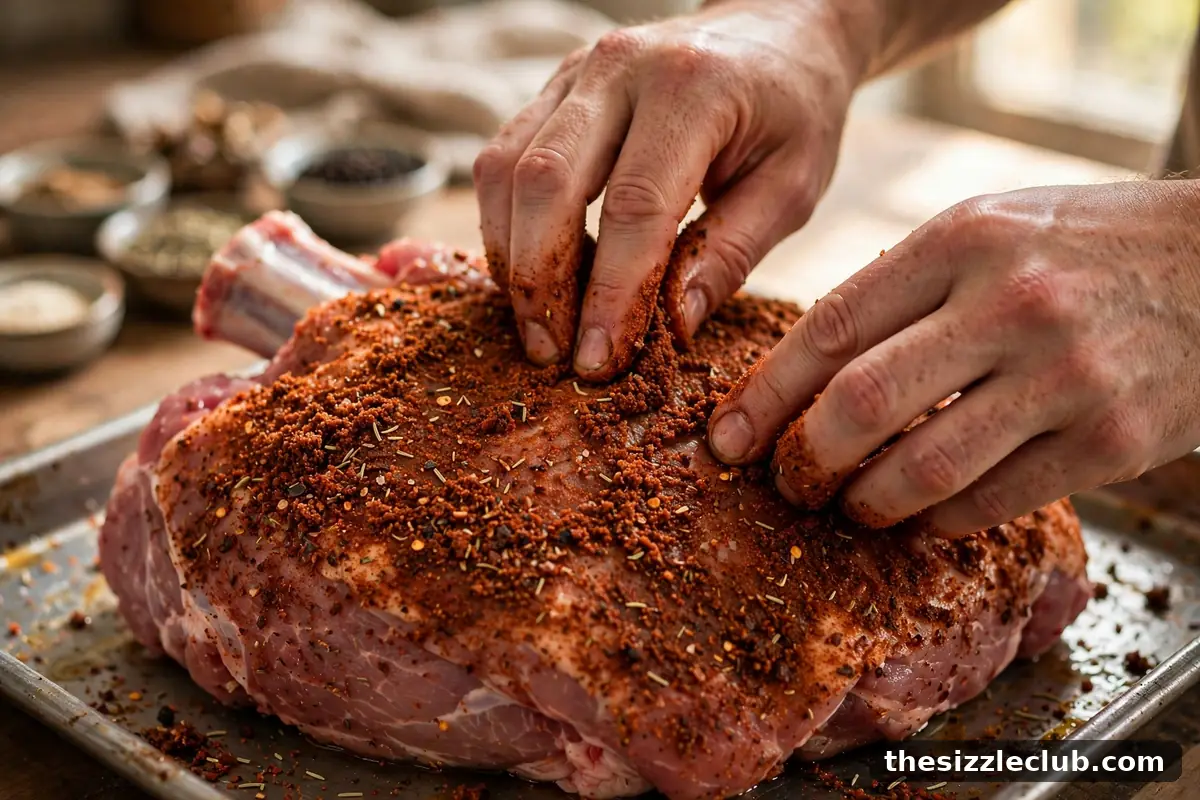
Pork shoulder benefits from a bolder rub than brisket because you are seasoning pounds of meat that will be mixed and pulled. A solid base is coarse salt, black pepper, paprika, garlic powder, and a little brown sugar; the sugar helps bark color and balances the smoke. Apply the rub 12 to 24 hours ahead if you can; the salt penetrates and seasons the interior, not just the surface.
The Mustard Binder Question
A thin slather of yellow mustard before the rub is traditional, and it works, but not for the reason people think. You will not taste mustard in the finished pork. The binder is simply glue: it helps the rub adhere in an even layer, especially on the fat cap. If you skip it, the rub still sticks fine to moist meat. Use it if you like the ritual; skip it without guilt if you do not.
Injection: Optional, Not Essential
Injecting a mixture of apple juice, salt, and a little rub into the shoulder adds moisture insurance deep in the meat. Competition cooks swear by it. For a backyard first cook, it is unnecessary: a bone-in butt has enough fat and collagen to stay juicy without help. Learn the basic cook first, then experiment with injection on cook three or four when you have a baseline to compare against.
The Cook: Temperature Targets and the Jiggle Test
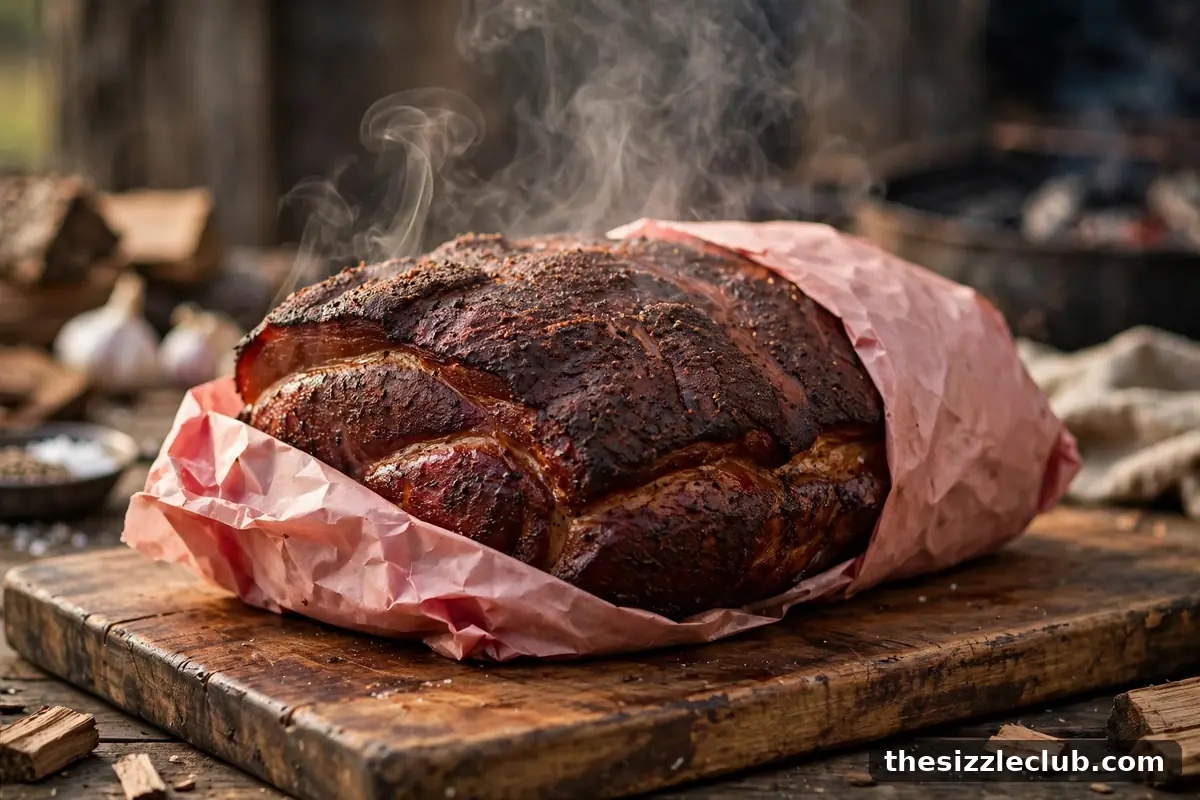
Run the cooker at 250 to 275 degrees F with the fat cap facing the heat source. A 8-pound bone-in butt typically takes 10 to 12 hours, including a stall around 150 to 165 degrees F internal that can last several hours. Wrap in butcher paper or foil at the stall if you are short on time; leave it unwrapped for maximum bark if you are not.
Doneness: Temperature Plus Feel
Start checking around 195 degrees F internal, but finish by feel, not by number. The two tests that matter:
- The bone test: grip the blade bone and twist gently. If it pulls clean with little resistance, the shoulder is done.
- The jiggle test: grab the wrapped or unwrapped shoulder with tongs and give it a shake. A done shoulder jiggles like gelatin and feels loose and floppy throughout. An underdone shoulder feels tight and firm.
- The probe test: a thermometer probe should slide into the thickest meat with almost no resistance.
Most shoulders finish between 195 and 205 degrees F, but trust the jiggle over the digits. An underdone shoulder will not pull; it will slice, shred in chunks, and disappoint. When in doubt, give it another 45 minutes. Pork shoulder is almost impossible to overcook at these temperatures, so err on the side of more time.
Resting, Pulling, and Storing Without Drying Out
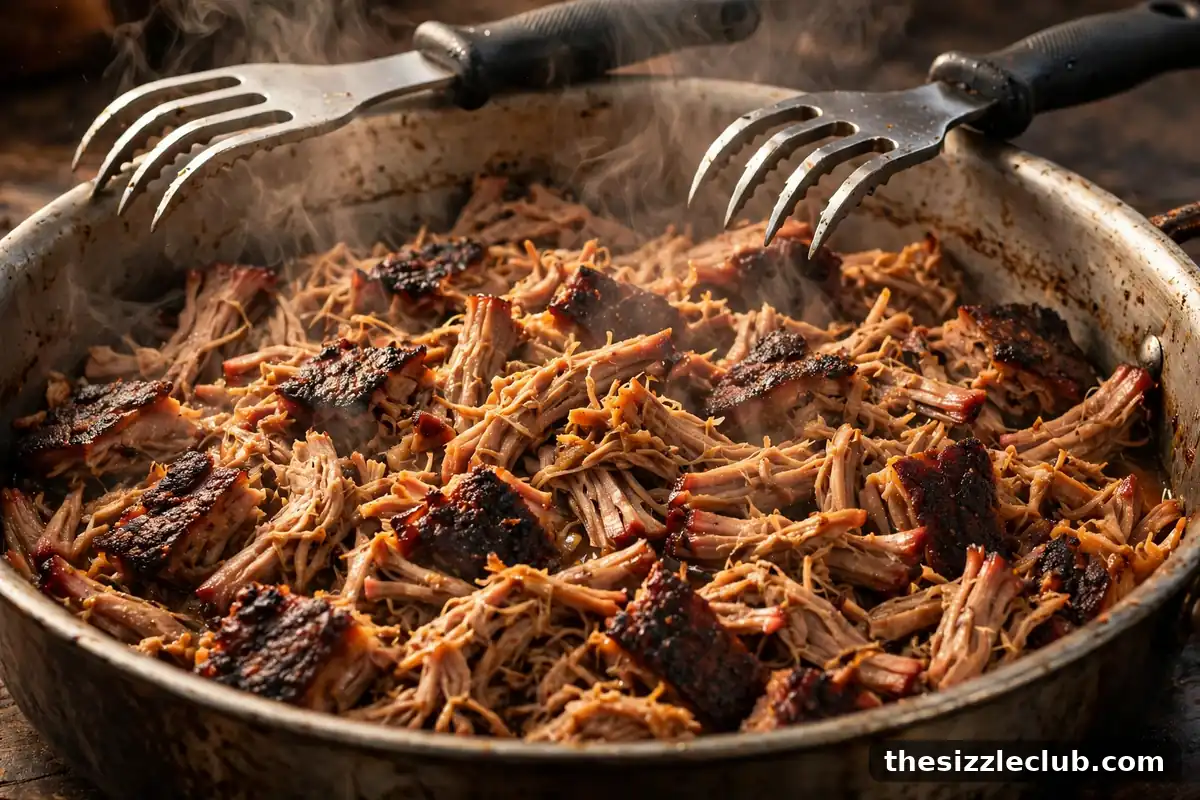
Rest the shoulder wrapped for at least 1 hour, ideally 2, in a dry cooler or turned-off oven. Then pull while it is still hot; cold pork shoulder firms up and resists shredding. Remove the blade bone first (it should slide out cleanly, which is deeply satisfying), then pull the meat into strands with your hands, forks, or bear claws. Discard large pockets of unrendered fat but keep the bark mixed through; bark is flavor.
Season the pulled meat lightly after pulling: a sprinkle of your rub and a splash of apple cider vinegar brightens the whole batch, since the interior meat never saw the surface seasoning. For storing, pack the pulled pork with its juices in shallow containers, refrigerate within two hours, and reheat gently with a splash of liquid, covered, so it steams back to juicy. Pulled pork freezes beautifully for several months; freeze it in meal-sized portions with the juices for the best reheats.
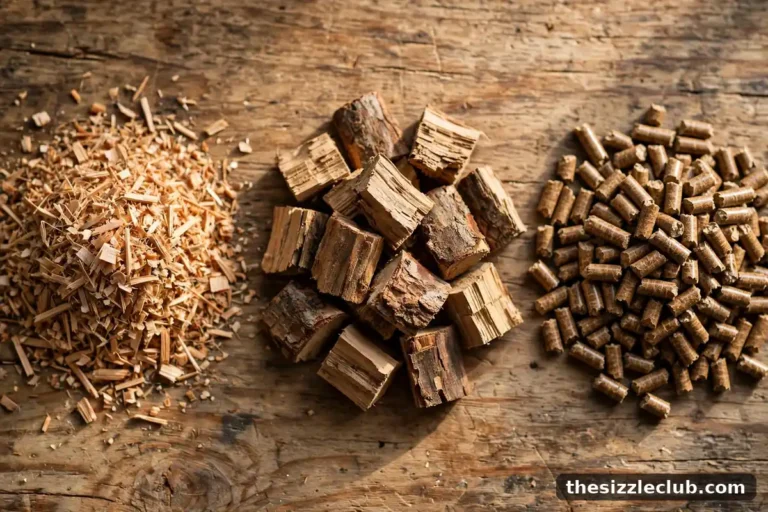
If you are pairing smoke with pork and want to compare wood options first, our guide to wood chips vs chunks vs pellets covers the species and forms that suit pork best, and our brisket basics guide shows how the same low-and-slow principles scale up to beef.
Decision Criteria: Wrap, Push Through, or Crank the Heat
Three situations call for three responses. Behind schedule with guests arriving? Wrap in foil and bump the cooker to 300 degrees F; the shoulder will not mind. Plenty of time and want maximum bark? Leave it unwrapped the whole way and let the stall run its course. Bark getting too dark? Wrap in butcher paper at 165 degrees F to protect the color while keeping the bark firmer than foil allows. The shoulder’s forgiveness means all three paths end in good pulled pork; the choice is about your timeline, not the meat’s survival.
Mistakes to Avoid
- Pulling at 180 degrees F because the clock ran out. Underdone shoulder will not shred. Wait for the jiggle.
- Skipping the rest. A hurried rest means juices on the board instead of in the meat.
- Pulling cold. Shred while hot; cold shoulder fights you every step.
- Throwing away the bark. Mix those crusty bits through the batch; they are the best bites.
- Seasoning only the outside. A post-pull sprinkle of rub and vinegar seasons the interior strands.
- Reheating uncovered and dry. Always reheat covered with added liquid or the pork dries out.
Key Takeaways
- Pork shoulder’s fat and collagen make it the most forgiving long smoke for beginners.
- Buy bone-in Boston butt; the clean-pulling bone is your built-in doneness gauge.
- Season boldly, optionally 12 to 24 hours ahead; mustard binder and injection are optional extras.
- Finish by feel: the bone twist, the jiggle test, and probe tenderness around 195 to 205 degrees F.
- Rest 1 to 2 hours, pull hot, season the strands, and store with the juices.
Frequently Asked Questions
How long does it take to smoke a pork shoulder?
Plan about 1.5 hours per pound at 250 to 275 degrees F, so an 8-pound bone-in butt usually takes 10 to 12 hours plus resting. The stall can add hours of apparent inactivity around 150 to 165 degrees F internal; that is normal. Start early and hold the finished shoulder hot in a cooler rather than racing the clock.
What internal temperature is pulled pork done at?
Most shoulders probe tender between 195 and 205 degrees F, but the number is secondary to the feel tests: the bone twists out cleanly, the meat jiggles loosely, and a probe slides in without resistance. Pulling at 185 degrees F because the temperature seems high enough is the classic beginner error.
Should I wrap my pork shoulder?
Wrapping is optional. Foil powers through the stall fastest but softens the bark; butcher paper is a middle ground; no wrap gives the darkest, crunchiest bark but adds hours. For your first shoulder, try no wrap or butcher paper so you learn what real bark looks and feels like.
Why is my pulled pork dry?
Usually one of three causes: it was pulled before it was truly done (under-rendered collagen never turned to gelatin), it was not rested, or it was reheated uncovered without liquid. A properly finished shoulder, rested and stored with its juices, reheats juicy every time.
Next action: Buy a bone-in Boston butt this week and give it the full treatment: overnight rub, steady 250 to 275 degree F smoke, no peeking, jiggle test finish, two-hour rest, hot pull. It is the single best practice cook in barbecue, and the leftovers will feed you for days.